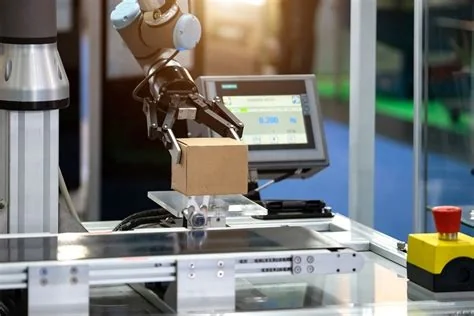
In 2026, AI‑powered robots are shifting from isolated machines to collaborative partners, with humanoid models entering commercial use, “Physical AI” debuting at major tech shows, and Robot‑as‑a‑Service (RaaS) reducing entry barriers for businesses of all sizes. These developments are reshaping manufacturing, logistics, and consumer services, offering measurable productivity gains and new revenue models.
What Defines an AI Robot and How Fast Is It Evolving?
AI robots combine onboard artificial intelligence with real‑time sensor data to perceive, analyze, and act autonomously. Unlike legacy robots that repeat fixed tasks, modern AI robots adapt to changing conditions—such as dynamic warehouse layouts or unexpected obstacles—by recalculating optimal routes on the fly. This flexibility drives rapid adoption across manufacturing, logistics, and service sectors.
Humanoid Robots Mark Their Commercial Debut in 2026
Three flagship humanoid platforms illustrate the market’s momentum:
- Tesla Optimus – Designed for automotive assembly lines, priced around $150,000, with advanced vision and dexterous hand manipulation.
- Figure AI – Home‑oriented companion priced near $80,000, equipped for cleaning, cooking assistance, and elder‑care tasks.
- Boston Dynamics Atlas – Industrial‑grade robot costing roughly $200,000, excelling in mobility, balance, and hazardous‑environment inspections.
Early adopters in the United States and Japan are launching pilot programs to measure productivity gains, positioning 2026 as the “year of commercial humanoid deployment.”
Top 5 Robot Industry Trends for 2026
- AI‑Driven Autonomy – Falling AI‑chip costs and edge‑computing expand real‑time decision‑making capabilities.
- General‑Purpose Humanoids – Human‑shaped robots tackle unstructured environments where traditional arms struggle.
- Robot‑as‑a‑Service (RaaS) – Subscription models lower upfront investment, enabling small and medium enterprises to adopt robotics.
- Energy‑Efficiency Optimizations – Advances in battery technology and renewable integration extend operational runtimes.
- Regulatory & Ethical Frameworks – Emerging standards address safety, privacy, and accountability for AI‑enabled machines.
Physical AI Takes Center Stage at CES 2026
The 2026 Consumer Electronics Show showcased “Physical AI” robots that interact directly with the physical world. Notable examples demonstrated household tasks—cleaning, laundry, and cooking—controlled by voice and gesture interfaces. While the technology promises reduced human error and higher productivity, challenges remain in energy consumption, recognition accuracy, and price points.
Future Outlook and Adoption Challenges
As humanoid robots transition from prototype to partner, companies must evaluate RaaS options, conduct pilot ROI studies, and align with evolving safety regulations. Regional policy differences will affect rollout speed, but the overarching trend points to robots moving from “task substitutes” to “collaborative teammates” by the end of 2026.
This topic is currently trending in Technology.