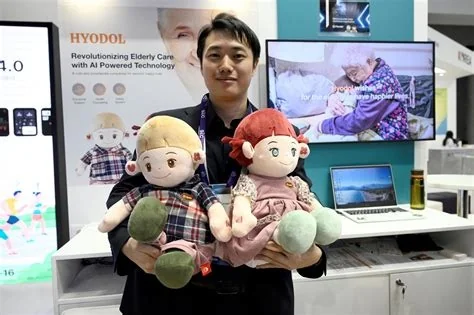
At the Hong Kong Toys & Games Fair, a new “Pop & Play” zone showcased life‑sized silicone AI dolls that can converse, display emotions, and remember past interactions. Visitors gathered to touch the realistic figures and test their responses, igniting a lively debate about the technology’s purpose, ethical implications, and future role in consumer markets.
Hyper‑Realistic Design and AI Capabilities
Silicone Construction and Lifelike Appearance
The dolls feature high‑fidelity silicone casings that mimic adult skin texture, creating a tactile experience that feels remarkably human. Their detailed sculpting and realistic proportions contribute to the striking visual impact that captured fair attendees’ attention.
Conversational AI and Adaptive Interaction
Embedded conversational software enables the dolls to respond with cues such as shyness or playfulness. Machine‑learning algorithms adapt over time, allowing the figures to personalize replies based on each user’s previous conversations and interaction history.
Public Reaction and Ethical Concerns
Visitor Curiosity and Mixed Feelings
Crowds of adults gathered around the display, some testing the silicone texture while others engaging the AI in dialogue. Reactions ranged from fascination with the technology to discomfort over the dolls’ realistic portrayal and public handling.
Age‑Access and Regulation Questions
The open‑access zone sparked calls for clearer age‑restriction policies. Critics argue that unrestricted exposure could blur the line between human and machine, potentially normalizing intimate interactions with non‑sentient objects and raising concerns about appropriate usage guidelines.
Industry Impact and Future Outlook
Market Trends for AI‑Enhanced Companions
The showcase reflects a growing market for AI‑driven personal devices that combine tactile realism with conversational software. Companies are positioning such companions as therapeutic tools for anxiety, loneliness, and social interaction, expanding the scope of consumer AI products.
Potential Applications Beyond Toys
While currently marketed as companion dolls, the underlying technology could be adapted for humanoid robotics, entertainment, and personalized service applications, indicating a broader trajectory for AI‑integrated physical agents.