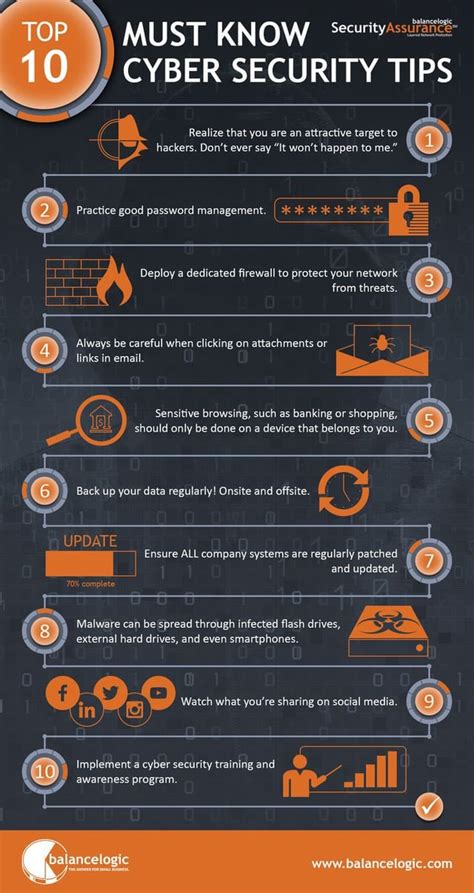
In 2024, organizations must strengthen their defenses against ransomware, AI‑driven attacks, and expanding remote‑work attack surfaces. Implementing eight core cybersecurity practices—Zero Trust, MFA, automated patching, AI‑enhanced endpoint detection, comprehensive encryption, resilient backup, a structured incident‑response plan, and continuous risk management—provides a proactive, resilient shield that directly reduces breach risk and supports business continuity.
1. Adopt a Zero‑Trust Architecture
Zero Trust eliminates implicit trust inside the network. Verify every access request, enforce micro‑segmentation, and continuously validate device health. Starting with a Zero‑Trust Network Access (ZTNA) solution that integrates with existing identity providers delivers quick wins without a full network redesign.
2. Harden Identity with Multi‑Factor Authentication and Strong Password Practices
Credential theft remains the top attack vector. Pair password managers with MFA to cut successful credential‑theft incidents dramatically. Encourage long passphrases, enforce rotation only after a breach, and disable legacy authentication protocols that lack MFA support.
3. Implement Continuous Patch Management
Automate the patching lifecycle to shrink the “patch gap.” Use tools that integrate with configuration management databases (CMDB) to prioritize critical operating system and third‑party updates. When full automation isn’t possible, apply a risk‑based schedule aligned with the NIST Identify and Protect functions.
4. Deploy AI‑Enhanced Endpoint Detection and Response (EDR)
Leverage AI to detect anomalous behavior across endpoints, cloud workloads, and identity logs in seconds rather than hours. Choose EDR platforms that support automated containment—such as isolating compromised devices—to limit breach impact.
5. Secure Data with Encryption at Rest and in Transit
Apply end‑to‑end encryption for databases, backups, and inter‑service communication as a default setting. Implement robust key‑management practices, including hardware security modules and regular key rotation. Verify that SaaS providers support customer‑controlled encryption keys.
6. Establish a Robust Backup and Recovery Strategy
Follow the “3‑2‑1” rule: maintain three copies of data on two different media types, with one copy stored off‑site. Use immutable storage to prevent alteration of backup snapshots, and test restore procedures quarterly to meet recovery time objectives (RTOs).
7. Formalize an Incident Response (IR) Plan Aligned with NIST
A documented IR plan accelerates breach containment. Incorporate the NIST lifecycle—Prepare, Detect, Contain, Eradicate, Recover, Post‑Incident—along with an escalation matrix, pre‑approved stakeholder communications, and regular tabletop exercises that simulate AI‑driven and supply‑chain attacks.
8. Integrate a Continuous Risk Management Framework
Adopt the NIST Cybersecurity Framework (CSF) for ongoing risk assessment: Identify assets, Protect them, Detect anomalies, Respond swiftly, and Recover efficiently. Embed the CSF into governance processes, such as board‑level cyber‑risk reporting, to make security a business enabler.
Actionable Next Steps for Security Leaders
- Audit current controls against the eight practices using a gap‑analysis tool aligned with the NIST CSF.
- Prioritize Zero Trust and MFA for the highest risk reduction per dollar spent.
- Automate patching and backup testing with nightly builds and quarterly restore drills.
- Invest in AI‑enabled EDR that offers threat‑intel feeds and automated containment.
- Report progress to the board by translating technical metrics (e.g., mean time to detect) into business impact (e.g., potential loss avoidance).
By treating these eight recommendations as an integrated strategy rather than isolated tasks, organizations can transform their security posture from a vulnerable perimeter to a resilient, adaptive shield—ready for the AI‑powered threats and ransomware evolutions that 2024 and beyond will inevitably bring.