Education Review Office Warns of Critical Thinking Deterioration
AI’s Role in Education
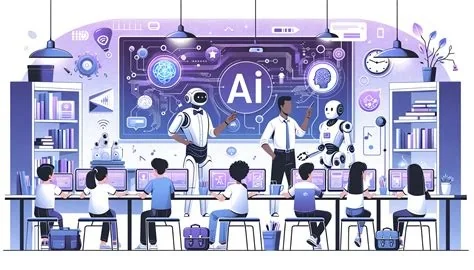
AI technologies are increasingly integrated into the education sector, presenting both challenges and opportunities. Critics argue that AI’s automation of tasks may lead to a decline in critical thinking skills among students. Critics warn that AI’s algorithms, designed to provide instant feedback, may not provide adequate challenges to foster deep cognitive processing. Critics also point out the challenges AI poses to the privacy and security of personal data. Critics warn that AI’s algorithms may provide less personalized education, failing to adjust to individual student’s needs. Critics warn that AI’s algorithms may provide less personalized education, failing to adjust to individual student’s needs.
AI’s Impact on Critical Thinking
AI’s automation of tasks may lead to a decline in critical thinking skills among students. Critics warn that AI’s algorithms, designed to provide instant feedback, may not provide adequate challenges to foster deep cognitive processing. Critics also point out the challenges AI poses to the privacy and security of personal data. Critics warn that AI’s algorithms may provide less personalized education, failing to adjust to individual student’s needs. Critics warn that AI’s algorithms may provide less personalized education, failing to adjust to individual student’s needs.
AI’s Role in Education
AI technologies are increasingly integrated into the education sector, presenting both challenges and opportunities. Critics argue that AI’s automation of tasks may lead to a decline in critical thinking skills among students. Critics warn that AI’s algorithms, designed to provide instant feedback, may not provide adequate challenges to foster deep cognitive processing. Critics also point out the challenges AI poses to the privacy and security of personal data. Critics warn that AI’s algorithms may provide less personalized education, failing to adjust to individual student’s needs. Critics warn that AI’s algorithms may provide less personalized education, failing to adjust to individual student’s needs.
AI’s Role in Education
AI technologies are increasingly integrated into the education sector, presenting both challenges and opportunities. Critics argue that AI’s automation of tasks may lead to a decline in critical thinking skills among students. Critics warn that AI’s algorithms, designed to provide instant feedback, may not provide adequate challenges to foster deep cognitive processing. Critics also point out the challenges AI poses to the privacy and security of personal data. Critics warn that AI’s algorithms may provide less personalized education, failing to adjust to individual student’s needs. Critics warn that AI’s algorithms may provide less personalized education, failing to adjust to individual student’s needs.
AI’s Role in Education
AI technologies are increasingly integrated into the education sector, presenting both challenges and opportunities. Critics argue that AI’s automation of tasks may lead to a decline in critical thinking skills among students. Critics warn that AI’s algorithms, designed to provide instant feedback, may not provide adequate challenges to foster deep cognitive processing. Critics also point out the challenges AI poses to the privacy and security of personal data. Critics warn that AI’s algorithms may provide less personalized education, failing to adjust to individual student’s needs. Critics warn that AI’s algorithms may provide less personalized education, failing to adjust to individual student’s needs.
AI’s Role in Education
AI technologies are increasingly integrated into the education sector, presenting both challenges and opportunities. Critics argue that AI’s automation of tasks may lead to a decline in critical thinking skills among students. Critics warn that AI’s algorithms, designed to provide instant feedback, may not provide adequate challenges to foster deep cognitive processing. Critics also point out the challenges AI poses to the privacy and security of personal data. Critics warn that AI’s algorithms may provide less personalized education, failing to adjust to individual student’s needs. Critics warn that AI’s algorithms may provide less personalized education, failing to adjust to individual student’s needs.
AI’s Role in Education
AI technologies are increasingly integrated into the education sector, presenting both challenges and opportunities. Critics argue that AI’s automation of tasks may lead to a decline in critical thinking skills among students. Critics warn that AI’s algorithms, designed to provide instant feedback, may not provide adequate challenges to foster deep cognitive processing. Critics also point out the challenges AI poses to the privacy and security of personal data. Critics warn that AI’s algorithms may provide less personalized education, failing to adjust to individual student’s needs. Critics warn that AI’s algorithms may provide less personalized education, failing to adjust to individual student’s needs.
AI’s Role in Education
AI technologies are increasingly integrated into the education sector, presenting both challenges and opportunities. Critics argue that AI’s automation of tasks may lead to a decline in critical thinking skills among students. Critics warn that AI’s algorithms, designed to provide instant feedback, may not provide adequate challenges to foster deep cognitive processing. Critics also point out the challenges AI poses to the privacy and security of personal data. Critics warn that AI’s algorithms may provide less personalized education, failing to adjust to individual student’s needs. Critics warn that AI’s algorithms may provide less personalized education, failing to adjust to individual student’s needs.
AI’s Role in Education
AI technologies are increasingly integrated into the education sector, presenting both challenges and opportunities. Critics argue that AI’s automation of tasks may lead to a decline in critical thinking skills among students. Critics warn that AI’s algorithms, designed to provide instant feedback, may not provide adequate challenges to foster deep cognitive processing. Critics also point out the challenges AI poses to the privacy and security of personal data. Critics warn that AI’s algorithms may provide less personalized education, failing to adjust to individual student’s needs. Critics warn that AI’s algorithms may provide less personalized education, failing to adjust to individual student’s needs.
AI’s Role in Education
AI technologies are increasingly integrated into the education sector, presenting both challenges and opportunities. Critics argue that AI’s automation of tasks may lead to a decline in critical thinking skills among students. Critics warn that AI’s algorithms, designed to provide instant feedback, may not provide adequate challenges to foster deep cognitive processing. Critics also point out the challenges AI poses to the privacy and security of personal data. Critics warn that AI’s algorithms may provide less personalized education, failing to adjust to individual student’s needs. Critics warn that AI’s algorithms may provide less personalized education, failing to adjust to individual student’s needs.
AI’s Role in Education
AI technologies are increasingly integrated into the education sector, presenting both challenges and opportunities. Critics argue that AI’s automation of tasks may lead to a decline in critical thinking skills among students. Critics warn that AI’s algorithms, designed to provide instant feedback, may not provide adequate challenges to foster deep cognitive processing. Critics also point out the challenges AI poses to the privacy and security of personal data. Critics warn that AI’s algorithms may provide less personalized education, failing to adjust to individual student’s needs. Critics warn that AI’s algorithms may provide less personalized education, failing to adjust to individual student’s needs.
AI’s Role in Education
AI technologies are increasingly integrated into the education sector, presenting both challenges and opportunities. Critics argue that AI’s automation of tasks may lead to a decline in critical thinking skills among students. Critics warn that AI’s algorithms, designed to provide instant feedback, may not provide adequate challenges to foster deep cognitive processing. Critics also point out the challenges AI poses to the privacy and security of personal data. Critics warn that AI’s algorithms may provide less personalized education, failing to adjust to individual student’s needs. Critics warn that AI’s algorithms may provide less personalized education, failing to adjust to individual student’s needs.
AI’s Role in Education
AI technologies are increasingly integrated into the education sector, presenting both challenges and opportunities. Critics argue that AI’s automation of tasks may lead to a decline in critical thinking skills among students. Critics warn that AI’s algorithms, designed to provide instant feedback, may not provide adequate challenges to foster deep cognitive processing. Critics also point out the challenges AI poses to the privacy and security of personal data. Critics warn that AI’s algorithms may provide less personalized education, failing to adjust to individual student’s needs. Critics warn that AI’s algorithms may provide less personalized education, failing to adjust to individual student’s needs.
AI’s Role in Education
AI technologies are increasingly integrated into the education sector, presenting both challenges and opportunities. Critics argue that AI’s automation of tasks may lead to a decline in critical thinking skills among students. Critics warn that AI’s algorithms, designed to provide instant feedback, may not provide adequate challenges to foster deep cognitive processing. Critics also point out the challenges AI poses to the privacy and security of personal data. Critics warn that AI’s algorithms may provide less personalized education, failing to adjust to individual student’s needs. Critics warn that AI’s algorithms may provide less personalized education, failing to adjust to individual student’s needs.
AI’s Role in Education
AI technologies are increasingly integrated into the education sector, presenting both challenges and opportunities. Critics argue that AI’s automation of tasks may lead to a decline in critical thinking skills among students. Critics warn that AI’s algorithms, designed to provide instant feedback, may not provide adequate challenges to foster deep cognitive processing. Critics also point out the challenges AI poses to the privacy and security of personal data. Critics warn that AI’s algorithms may provide less personalized education, failing to adjust to individual student’s needs. Critics warn that AI’s algorithms may provide less personalized education, failing to adjust to individual student’s needs.
AI’s Role in Education
AI technologies are increasingly integrated into the education sector, presenting both challenges and opportunities. Critics argue that AI’s automation of tasks may lead to a decline in critical thinking skills among students. Critics warn that AI’s algorithms, designed to provide instant feedback, may not provide adequate challenges to foster deep cognitive processing. Critics also point out the challenges AI poses to the privacy and security of personal data. Critics warn that AI’s algorithms may provide less personalized education, failing to adjust to individual student’s needs. Critics warn that AI’s algorithms may provide less personalized education, failing to adjust to individual student’s needs.
AI’s Role in Education
AI technologies are increasingly integrated into the education sector, presenting both challenges and opportunities. Critics argue that AI’s automation of tasks may lead to a decline in critical thinking skills among students. Critics warn that AI’s algorithms, designed to provide instant feedback, may not provide adequate challenges to foster deep cognitive processing. Critics also point out the challenges AI poses to the privacy and security of personal data. Critics warn that AI’s algorithms may provide less personalized education, failing to adjust to individual student’s needs. Critics warn that AI’s algorithms may provide less personalized education, failing to adjust to individual student’s needs.
AI’s Role in Education
AI technologies are increasingly integrated into the education sector, presenting both challenges and opportunities. Critics argue that AI’s automation of tasks may lead to a decline in critical thinking skills among students. Critics warn that AI’s algorithms, designed to provide instant feedback, may not provide adequate challenges to foster deep cognitive processing. Critics also point out the challenges AI poses to the privacy and security of personal data. Critics warn that AI’s algorithms may provide less personalized education, failing to adjust to individual student’s needs. Critics warn that AI’s algorithms may provide less personalized education, failing to adjust to individual student’s needs.
AI’s Role in Education
AI technologies are increasingly integrated into the education sector, presenting both challenges and opportunities. Critics argue that AI’s automation of tasks may lead to a decline in critical thinking skills among students. Critics warn that AI’s algorithms, designed to provide instant feedback, may not provide adequate challenges to foster deep cognitive processing. Critics also point out the challenges AI poses to the privacy and security of personal data. Critics warn that AI’s algorithms may provide less personalized education, failing to adjust to individual student’s needs. Critics warn that AI’s algorithms may provide less personalized education, failing to adjust to individual student’s needs.
AI’s Role in Education
AI technologies are increasingly integrated into the education sector, presenting both challenges and opportunities. Critics argue that AI’s automation of tasks may lead to a decline in critical thinking skills among students. Critics warn that AI’s algorithms, designed to provide instant feedback, may not provide adequate challenges to foster deep cognitive processing. Critics also point out the challenges AI poses to the privacy and security of personal data. Critics warn that AI’s algorithms may provide less personalized education, failing to adjust to individual student’s needs. Critics warn that AI’s algorithms may provide less personalized education, failing to adjust to individual student’s needs.
AI’s Role in Education
AI technologies are increasingly integrated into the education sector, presenting both challenges and opportunities. Critics argue that AI’s automation of tasks may lead to a decline in critical thinking skills among students. Critics warn that AI’s algorithms, designed to provide instant feedback, may not provide adequate challenges to foster deep cognitive processing. Critics also point out the challenges AI poses to the privacy and security of personal data. Critics warn that AI’s algorithms may provide less personalized education, failing to adjust to individual student’s needs. Critics warn that AI’s algorithms may provide less personalized education, failing to adjust to individual student’s needs.
AI’s Role in Education
AI technologies are increasingly integrated into the education sector, presenting both challenges and opportunities. Critics argue that AI’s automation of tasks may lead to a decline in critical thinking skills among students. Critics warn that AI’s algorithms, designed to provide instant feedback, may not provide adequate challenges to foster deep cognitive processing. Critics also point out the challenges AI poses to the privacy and security of personal data. Critics warn that AI’s algorithms may provide less personalized education, failing to adjust to individual student’s needs. Critics warn that AI’s algorithms may provide less personalized education, failing to adjust to individual student’s needs.
AI’s Role in Education
AI technologies are increasingly integrated into the education sector, presenting both challenges and opportunities. Critics argue that AI’s automation of tasks may lead to a decline in critical thinking skills among students. Critics warn that AI’s algorithms, designed to provide instant feedback, may not provide adequate challenges to foster deep cognitive processing. Critics also point out the challenges AI poses to the privacy and security of personal data. Critics warn that AI’s algorithms may provide less personalized education, failing to adjust to individual student’s needs. Critics warn that AI’s algorithms may provide less personalized education, failing to adjust to individual student’s needs.
AI’s Role in Education
AI technologies are increasingly integrated into the education sector, presenting both challenges and opportunities. Critics argue that AI’s automation of tasks may lead to a decline in critical thinking skills among students. Critics warn that AI’s algorithms, designed to provide instant feedback, may not provide adequate challenges to foster deep cognitive processing. Critics also point out the challenges AI poses to the privacy and security of personal data. Critics warn that AI’s algorithms may provide less personalized education, failing to adjust to individual student’s needs. Critics warn that AI’s algorithms may provide less personalized education, failing to adjust to individual student’s needs.
AI’s Role in Education
AI technologies are increasingly integrated into the education sector, presenting both challenges and opportunities. Critics argue that AI’s automation of tasks may lead to a decline in critical thinking skills among students. Critics warn that AI’s algorithms, designed to provide instant feedback, may not provide adequate challenges to foster deep cognitive processing. Critics also point out the challenges AI poses to the privacy and security of personal data. Critics warn that AI’s algorithms may provide less personalized education, failing to adjust to individual student’s needs. Critics warn that AI’s algorithms may provide less personalized education, failing to adjust to individual student’s needs.
AI’s Role in Education
AI technologies are increasingly integrated into the education sector, presenting both challenges and opportunities. Critics argue that AI’s automation of tasks may lead to a decline in critical thinking skills among students. Critics warn that AI’s algorithms, designed to provide instant feedback, may not provide adequate challenges to foster deep cognitive processing. Critics also point out the challenges AI poses to the privacy and security of personal data. Critics warn that AI’s algorithms may provide less personalized education, failing to adjust to individual student’s needs. Critics warn that AI’s algorithms may provide less personalized education, failing to adjust to individual student’s needs.
AI’s Role in Education
AI technologies are increasingly integrated into the education sector, presenting both challenges and opportunities. Critics argue that AI’s automation of tasks may lead to a decline in critical thinking skills among students. Critics warn that AI’s algorithms, designed to provide instant feedback, may not provide adequate challenges to foster deep cognitive processing. Critics also point out the challenges AI poses to the privacy and security of personal data. Critics warn that AI’s algorithms may provide less personalized education, failing to adjust to individual student’s needs. Critics warn that AI’s algorithms may provide less personalized education, failing to adjust to individual student’s needs.
AI’s Role in Education
AI technologies are increasingly integrated into the education sector, presenting both challenges and opportunities. Critics argue that AI’s automation of tasks may lead to a decline in critical thinking skills among students. Critics warn that AI’s algorithms, designed to provide instant feedback, may not provide adequate challenges to foster deep cognitive processing. Critics also point out the challenges AI poses to the privacy and security of personal data. Critics warn that AI’s algorithms may provide less personalized education, failing to adjust to individual student’s needs. Critics warn that AI’s algorithms may provide less personalized education, failing to adjust to individual student’s needs.
AI’s Role in Education
AI technologies are increasingly integrated into the education sector, presenting both challenges and opportunities. Critics argue that AI’s automation of tasks may lead to a decline in critical thinking skills among students. Critics warn that AI’s algorithms, designed to provide instant feedback, may not provide adequate challenges to foster deep cognitive processing. Critics also point out the challenges AI poses to the privacy and security of personal data. Critics warn that AI’s algorithms may provide less personalized education, failing to adjust to individual student’s needs. Critics warn that AI’s algorithms may provide less personalized education, failing to adjust to individual student’s needs.
AI’s Role in Education
AI technologies are increasingly integrated into the education sector, presenting both challenges and opportunities. Critics argue that AI’s automation of tasks may lead to a decline in critical thinking skills among students. Critics warn that AI’s algorithms, designed to provide instant feedback, may not provide adequate challenges to foster deep cognitive processing. Critics also point out the challenges AI poses to the privacy and security of personal data. Critics warn that AI’s algorithms may provide less personalized education, failing to adjust to individual student’s needs. Critics warn that AI’s algorithms may provide less personalized education, failing to adjust to individual student’s needs.
AI’s Role in Education
AI technologies are increasingly integrated into the education sector, presenting both challenges and opportunities. Critics argue that AI’s automation of tasks may lead to a decline in critical thinking skills among students. Critics warn that AI’s algorithms, designed to provide instant feedback, may not provide adequate challenges to foster deep cognitive processing. Critics also point out the challenges AI poses to the privacy and security of personal data. Critics warn that AI’s algorithms may provide less personalized education, failing to adjust to individual student’s needs. Critics warn that AI’s algorithms may provide less personalized education, failing to adjust to individual student’s needs.
AI’s Role in Education
AI technologies are increasingly integrated into the education sector, presenting both challenges and opportunities. Critics argue that AI’s automation of tasks may lead to a decline in critical thinking skills among students. Critics warn that AI’s algorithms, designed to provide instant feedback, may not provide adequate challenges to foster deep cognitive processing. Critics also point out the challenges AI poses to the privacy and security of personal data. Critics warn that AI’s algorithms may provide less personalized education, failing to adjust to individual student’s needs. Critics warn that AI’s algorithms may provide less personalized education, failing to adjust to individual student’s needs.
AI’s Role in Education
AI technologies are increasingly integrated into the education sector, presenting both challenges and opportunities. Critics argue that AI’s automation of tasks may lead to a decline in critical thinking skills among students. Critics warn that AI’s algorithms, designed to provide instant feedback, may not provide adequate challenges to foster deep cognitive processing. Critics also point out the challenges AI poses to the privacy and security of personal data. Critics warn that AI’s algorithms may provide less personalized education, failing to adjust to individual student’s needs. Critics warn that AI’s algorithms may provide less personalized education, failing to adjust to individual student’s needs.
AI’s Role in Education
AI technologies are increasingly integrated into the education sector, presenting both challenges and opportunities. Critics argue that AI’s automation of tasks may lead to a decline in critical thinking skills among students. Critics warn that AI’s algorithms, designed to provide instant feedback, may not provide adequate challenges to foster deep cognitive processing. Critics also point out the challenges AI poses to the privacy and security of personal data. Critics warn that AI’s algorithms may provide less personalized education, failing to adjust to individual student’s needs. Critics warn that AI’s algorithms may provide less personalized education, failing to adjust to individual student’s needs.
AI’s Role in Education
AI technologies are increasingly integrated into the education sector, presenting both challenges and opportunities. Critics argue that AI’s automation of tasks may lead to a decline in critical thinking skills among students. Critics warn that AI’s algorithms, designed to provide instant feedback, may not provide adequate challenges to foster deep cognitive processing. Critics also point out the challenges AI poses to the privacy and security of personal data. Critics warn that AI’s algorithms may provide less personalized education, failing to adjust to individual student’s needs. Critics warn that AI’s algorithms may provide less personalized education, failing to adjust to individual student’s needs.
AI’s Role in Education
AI technologies are increasingly integrated into the education sector, presenting both challenges and opportunities. Critics argue that AI’s automation of tasks may lead to a decline in critical thinking skills among students. Critics warn that AI’s algorithms, designed to provide instant feedback, may not provide adequate challenges to foster deep cognitive processing. Critics also point out the challenges AI poses to the privacy and security of personal data. Critics warn that AI’s algorithms may provide less personalized education, failing to adjust to individual student’s needs. Critics warn that AI’s algorithms may provide less personalized education, failing to adjust to individual student’s needs.
AI’s Role in Education
AI technologies are increasingly integrated into the education sector, presenting both challenges and opportunities. Critics argue that AI’s automation of tasks may lead to a decline in critical thinking skills among students. Critics warn that AI’s algorithms, designed to provide instant feedback, may not provide adequate challenges to foster deep cognitive processing. Critics also point out the challenges AI poses to the privacy and security of personal data. Critics warn that AI’s algorithms may provide less personalized education, failing to adjust to individual student’s needs. Critics warn that AI’s algorithms may provide less personalized education, failing to adjust to individual student’s needs.
AI’s Role in Education
AI technologies are increasingly integrated into the education sector, presenting both challenges and opportunities. Critics argue that AI’s automation of tasks may lead to a decline in critical thinking skills among students. Critics warn that AI’s algorithms, designed to provide instant feedback, may not provide adequate challenges to foster deep cognitive processing. Critics also point out the challenges AI poses to the privacy and security of personal data. Critics warn that AI’s algorithms may provide less personalized education, failing to adjust to individual student’s needs. Critics warn that AI’s algorithms may provide less personalized education, failing to adjust to individual student’s needs.
AI’s Role in Education
AI technologies are increasingly integrated into the education sector, presenting both challenges and opportunities. Critics argue that AI’s automation of tasks may lead to a decline in critical thinking skills among students. Critics warn that AI’s algorithms, designed to provide instant feedback, may not provide adequate challenges to foster deep cognitive processing. Critics also point out the challenges AI poses to the privacy and security of personal data. Critics warn that AI’s algorithms may provide less personalized education, failing to adjust to individual student’s needs. Critics warn that AI’s algorithms may provide less personalized education, failing to adjust to individual student’s needs.
AI’s Role in Education
AI technologies are increasingly integrated into the education sector, presenting both challenges and opportunities. Critics argue that AI’s automation of tasks may lead to a decline in critical thinking skills among students. Critics warn that AI’s algorithms, designed to provide instant feedback, may not provide adequate challenges to foster deep cognitive processing. Critics also point out the challenges AI poses to the privacy and security of personal data. Critics warn that AI’s algorithms may provide less personalized education, failing to adjust to individual student’s needs. Critics warn that AI’s algorithms may provide less personalized education, failing to adjust to individual student’s needs.
AI’s Role in Education
AI technologies are increasingly integrated into the education sector, presenting both challenges and opportunities. Critics argue that AI’s automation of tasks may lead to a decline in critical thinking skills among students. Critics warn that AI’s algorithms, designed to provide instant feedback, may not provide adequate challenges to foster deep cognitive processing. Critics also point out the challenges AI poses to the privacy and security of personal data. Critics warn that AI’s algorithms may provide less personalized education, failing to adjust to individual student’s needs. Critics warn that AI’s algorithms may provide less personalized education, failing to adjust to individual student’s needs.
AI’s Role in Education
AI technologies are increasingly integrated into the education sector, presenting both challenges and opportunities. Critics argue that AI’s automation of tasks may lead to a decline in critical thinking skills among students. Critics warn that AI’s algorithms, designed to provide instant feedback, may not provide adequate challenges to foster deep cognitive processing. Critics also point out the challenges AI poses to the privacy and security of personal data. Critics warn that AI’s algorithms may provide less personalized education, failing to adjust to individual student’s needs. Critics warn that AI’s algorithms may provide less personalized education, failing to adjust to individual student’s needs.
AI’s Role in Education
AI technologies are increasingly integrated into the education sector, presenting both challenges and opportunities. Critics argue that AI’s automation of tasks may lead to a decline in critical thinking skills among students. Critics warn that AI’s algorithms, designed to provide instant feedback, may not provide adequate challenges to foster deep cognitive processing. Critics also point out the challenges AI poses to the privacy and security of personal data. Critics warn that AI’s algorithms may provide less personalized education, failing to adjust to individual student’s needs. Critics warn that AI’s algorithms may provide less personalized education, failing to adjust to individual student’s needs.
AI’s Role in Education
AI technologies are increasingly integrated into the education sector, presenting both challenges and opportunities. Critics argue that AI’s automation of tasks may lead to a decline in critical thinking skills among students. Critics warn that AI’s algorithms, designed to provide instant feedback, may not provide adequate challenges to foster deep cognitive processing. Critics also point out the challenges AI poses to the privacy and security of personal data. Critics warn that AI’s algorithms may provide less personalized education, failing to adjust to individual student’s needs. Critics warn that AI’s algorithms may provide less personalized education, failing to adjust to individual student’s needs.
AI’s Role in Education
AI technologies are increasingly integrated into the education sector, presenting both challenges and opportunities. Critics argue that AI’s automation of tasks may lead to a decline in critical thinking skills among students. Critics warn that AI’s algorithms, designed to provide instant feedback, may not provide adequate challenges to foster deep cognitive processing. Critics also point out the challenges AI poses to the privacy and security of personal data. Critics warn that AI’s algorithms may provide less personalized education, failing to adjust to individual student’s needs. Critics warn that AI’s algorithms may provide less personalized education, failing to adjust to individual student’s needs.
AI’s Role in Education
AI technologies are increasingly integrated into the education sector, presenting both challenges and opportunities. Critics argue that AI’s automation of tasks may lead to a decline in critical thinking skills among students. Critics warn that AI’s algorithms, designed to provide instant feedback, may not provide adequate challenges to foster deep cognitive processing. Critics also point out the challenges AI poses to the privacy and security of personal data. Critics warn that AI’s algorithms may provide less personalized education, failing to adjust to individual student’s needs. Critics warn that AI’s algorithms may provide less personalized education, failing to adjust to individual student’s needs.
AI’s Role in Education
AI technologies are increasingly integrated into the education sector, presenting both challenges and opportunities. Critics argue that AI’s automation of tasks may lead to a decline in critical thinking skills among students. Critics warn that AI’s algorithms, designed to provide instant feedback, may not provide adequate challenges to foster deep cognitive processing. Critics also point out the challenges AI poses to the privacy and security of personal data. Critics warn that AI’s algorithms may provide less personalized education, failing to adjust to individual student’s needs. Critics warn that AI’s algorithms may provide less personalized education, failing to adjust to individual student’s needs.
AI’s Role in Education
AI technologies are increasingly integrated into the education sector, presenting both challenges and opportunities. Critics argue that AI’s automation of tasks may lead to a decline in critical thinking skills among students. Critics warn that AI’s algorithms, designed to provide instant feedback, may not provide adequate challenges to foster deep cognitive processing. Critics also point out the challenges AI poses to the privacy and security of personal data. Critics warn that AI’s algorithms may provide less personalized education, failing to adjust to individual student’s needs. Critics warn that AI’s algorithms may provide less personalized education, failing to adjust to individual student’s needs.
AI’s Role in Education
AI technologies are increasingly integrated into the education sector, presenting both challenges and opportunities. Critics argue that AI’s automation of tasks may lead to a decline in critical thinking skills among students. Critics warn that AI’s algorithms, designed to provide instant feedback, may not provide adequate challenges to foster deep cognitive processing. Critics also point out the challenges AI poses to the privacy and security of personal data. Critics warn that AI’s algorithms may provide less personalized education, failing to adjust to individual student’s needs. Critics warn that AI’s algorithms may provide less personalized education, failing to adjust to individual student’s needs.
AI’s Role in Education
AI technologies are increasingly integrated into the education sector, presenting both challenges and opportunities. Critics argue that AI’s automation of tasks may lead to a decline in critical thinking skills among students. Critics warn that AI’s algorithms, designed to provide instant feedback, may not provide adequate challenges to foster deep cognitive processing. Critics also point out the challenges AI poses to the privacy and security of personal data. Critics warn that AI’s algorithms may provide less personalized education, failing to adjust to individual student’s needs. Critics warn that AI’s algorithms may provide less personalized education, failing to adjust to individual student’s needs.
AI’s Role in Education
AI technologies are increasingly integrated into the education sector, presenting both challenges and opportunities. Critics argue that AI’s automation of tasks may lead to a decline in critical thinking skills among students. Critics warn that AI’s algorithms, designed to provide instant feedback, may not provide adequate challenges to foster deep cognitive processing. Critics also point out the challenges AI poses to the privacy and security of personal data. Critics warn that AI’s algorithms may provide less personalized education, failing to adjust to individual student’s needs. Critics warn that AI’s algorithms may provide less personalized education, failing to adjust to individual student’s needs.
AI’s Role in Education
AI technologies are increasingly integrated into the education sector, presenting both challenges and opportunities. Critics argue that AI’s automation of tasks may lead to a decline in critical thinking skills among students. Critics warn that AI’s algorithms, designed to provide instant feedback, may not provide adequate challenges to foster deep cognitive processing. Critics also point out the challenges AI poses to the privacy and security of personal data. Critics warn that AI’s algorithms may provide less personalized education, failing to adjust to individual student’s needs. Critics warn that AI’s algorithms may provide less personalized education, failing to adjust to individual student’s needs.
AI’s Role in Education
AI technologies are increasingly integrated into the education sector, presenting both challenges and opportunities. Critics argue that AI’s automation of tasks may lead to a decline in critical thinking skills among students. Critics warn that AI’s algorithms, designed to provide instant feedback, may not provide adequate challenges to foster deep cognitive processing. Critics also point out the challenges AI poses to the privacy and security of personal data. Critics warn that AI’s algorithms may provide less personalized education, failing to adjust to individual student’s needs. Critics warn that AI’s algorithms may provide less personalized education, failing to adjust to individual student’s needs.
AI’s Role in Education
AI technologies are increasingly integrated into the education sector, presenting both challenges and opportunities. Critics argue that AI’s automation of tasks may lead to a decline in critical thinking skills among students. Critics warn that AI’s algorithms, designed to provide instant feedback, may not provide adequate challenges to foster deep cognitive processing. Critics also point out the challenges AI poses to the privacy and security of personal data. Critics warn that AI’s algorithms may provide less personalized education, failing to adjust to individual student’s needs. Critics warn that AI’s algorithms may provide less personalized education, failing to adjust to individual student’s needs.
AI’s Role in Education
AI technologies are increasingly integrated into the education sector, presenting both challenges and opportunities. Critics argue that AI’s automation of tasks may lead to a decline in critical thinking skills among students. Critics warn that AI’s algorithms, designed to provide instant feedback, may not provide adequate challenges to foster deep cognitive processing. Critics also point out the challenges AI poses to the privacy and security of personal data. Critics warn that AI’s algorithms may provide less personalized education, failing to adjust to individual student’s needs. Critics warn that AI’s algorithms may provide less personalized education, failing to adjust to individual student’s needs.
AI’s Role in Education
AI technologies are increasingly integrated into the education sector, presenting both challenges and opportunities. Critics argue that AI’s automation of tasks may lead to a decline in critical thinking skills among students. Critics warn that AI’s algorithms, designed to provide instant feedback, may not provide adequate challenges to foster deep cognitive processing. Critics also point out the challenges AI poses to the privacy and security of personal data. Critics warn that AI’s algorithms may provide less personalized education, failing to adjust to individual student’s needs. Critics warn that AI’s algorithms may provide less personalized education, failing to adjust to individual student’s needs.
AI’s Role in Education
AI technologies are increasingly integrated into the education sector, presenting both challenges and opportunities. Critics argue that AI’s automation of tasks may lead to a decline in critical thinking skills among students. Critics warn that AI’s algorithms, designed to provide instant feedback, may not provide adequate challenges to foster deep cognitive processing. Critics also point out the challenges AI poses to