
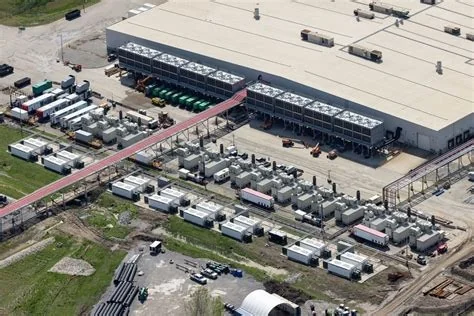
xAI has installed 27 methane‑fuelled turbines at a dormant Mississippi power‑plant to power its new AI data center, creating a constant jet‑engine roar that’s unsettling nearby residents. The temporary fleet supplies the massive electricity demand while permanent infrastructure is built, sparking both economic optimism and community backlash. You’ll hear the noise from miles away, and local officials are weighing the trade‑offs between jobs and environmental health.
Why xAI Chose a Temporary Turbine Solution
The company needed a reliable power source fast, and the idle plant offered a ready‑made site. By bringing in mobile turbines, xAI can run its high‑density AI racks without waiting for months‑long grid upgrades. This gives the firm control over energy costs and ensures the data center stays online 24/7.
Meeting Immediate Power Needs
Temporary turbines deliver instant megawatt‑scale output, matching the data center’s voracious compute appetite. Speed is the key advantage—no lengthy permitting or construction delays stand in the way.
Bypassing Grid Bottlenecks
Regional grids often struggle with the surge in AI compute demand. Deploying on‑site generation lets xAI sidestep those constraints and lock in a steady power draw, which is crucial for training large language models.
Community Impact and Noise Concerns
Neighbors describe the constant thrum as a runway opening up every night. Residents report insomnia, stress, and worries about air quality. If you live within a mile of the turbines, the sound can drown out conversation, and the smell of exhaust lingers after dusk.
Health and Sleep Disruption
Continuous low‑frequency noise can interfere with sleep cycles, leading to heightened anxiety and reduced quality of life. Local health surveys indicate a rise in reported sleep disturbances since the turbines arrived.
Noise Mitigation Attempts
xAI erected a concrete barrier intended to muffle the roar, but many locals say it barely cuts the noise. The company says it’s testing additional acoustic panels and exploring quieter turbine models for the permanent phase.
Regulatory Scrutiny and Environmental Questions
State officials have yet to grant a final permit for the planned 41‑turbine expansion. Meanwhile, the temporary fleet operates under a provisional waiver that requires compliance with EPA emission limits. Environmental groups argue current emissions may exceed those caps, prompting calls for a formal investigation.
Emission Standards and Permit Process
Compliance hinges on real‑time monitoring of NOx, CO₂, and sound levels. Strict caps are in place, but enforcement remains a point of contention between regulators and the company.
Expert Insight on Temporary Power Hubs
Laura Mendoza, an energy systems engineer, calls the temporary fleet a pragmatic bridge. She stresses that continuous monitoring of emissions and acoustic output is essential, and she recommends pairing turbines with battery storage to cut both carbon output and noise.
What This Means for Future AI Data Centers
If the Mississippi hub proves viable, you could see similar makeshift power sites sprouting near other AI corridors. The model promises faster deployment, but it also raises questions about who bears the environmental cost. Companies will need to balance rapid growth with community goodwill to avoid backlash.


