
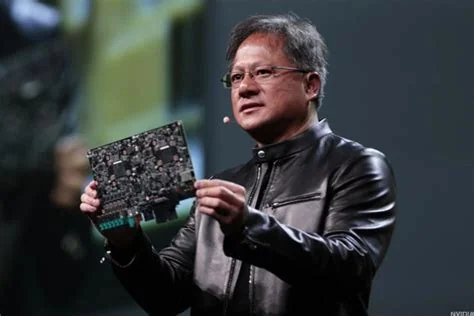
Jensen Huang, Nvidia’s chief executive, says the market’s fear that generative AI agents will wipe out software‑as‑a‑service (SaaS) businesses is overstated. He argues AI agents will run on top of existing SaaS platforms, preserving recurring revenue while adding new capabilities, and that investors should treat the AI‑SaaS overlap as a partnership, not a threat.
Why the SaaS Cannibalization Narrative Grows
Investors have been warning that a single, powerful AI model could replace a suite of specialized SaaS applications. The logic sounds simple: if an AI agent can handle tasks ranging from code generation to customer support, the need for multiple subscription‑based tools could shrink. This line of thinking fuels a risk premium baked into SaaS valuations.
Key Concerns Behind the Narrative
- Single‑model substitution: A massive AI model could theoretically perform many functions that today require separate SaaS products.
- Revenue erosion: SaaS relies on recurring subscription fees; if AI agents bypass those fees, recurring cash flow could dip.
- Competitive pressure: Early‑stage AI startups promise “all‑in‑one” solutions, challenging incumbents to innovate quickly.
AI Agents as Extensions, Not Replacements
Huang pushes back by framing AI agents as a layer that sits on top of SaaS platforms rather than underneath them. In his view, the same companies that sell SaaS today will embed AI agents directly into their products, turning the AI capability into a value‑add instead of a substitute.
For you, that means your existing SaaS vendor could soon offer AI‑driven suggestions, automated workflows, or even code‑generation features without forcing you to switch providers. The core subscription remains, while the AI layer boosts productivity.
How the Extension Model Works
- Platform continuity: SaaS providers keep the customer relationship and billing structure.
- AI augmentation: Agents enhance the core product with context‑aware automation.
- Revenue protection: By adding AI, providers preserve recurring fees and open new pricing tiers.
Implications for Investors and SaaS Vendors
If the market has overestimated the cannibalization risk, SaaS valuations could be artificially high. Investors might be paying a premium for a threat that isn’t as severe as feared. Conversely, a misreading could keep capital flowing into SaaS firms that are already integrating AI, potentially inflating their market caps.
For SaaS vendors, the takeaway is clear: invest heavily in AI talent and infrastructure now, or risk being left behind. The AI‑first competitors are already building the extension layer, and you’ll likely see a wave of AI‑enhanced SaaS offerings in the near term.
What This Means for the Future of Enterprise Software
Huang’s message suggests a hybrid future where AI agents complement rather than replace SaaS. Enterprises can expect richer, more adaptive tools that retain the reliability of established platforms while gaining AI‑driven efficiency. The shift calls for new pricing models, but it also preserves the recurring revenue engine that SaaS businesses depend on.
In short, the AI‑SaaS intersection is evolving into a partnership. If you’re watching the space, keep an eye on how vendors layer AI on top of their existing suites—those moves will likely dictate where the real growth opportunities lie.


