Today Nokia and AWS unveil the first AI‑driven real‑time 5G slicing pilot, teaming up with du and Orange to let networks auto‑adjust resources as events unfold. By feeding live traffic, weather and venue data into intelligent agents, the solution promises to boost throughput, cut latency and keep your favorite apps running smoothly—even when crowds surge.
AI‑Powered Slicing Architecture
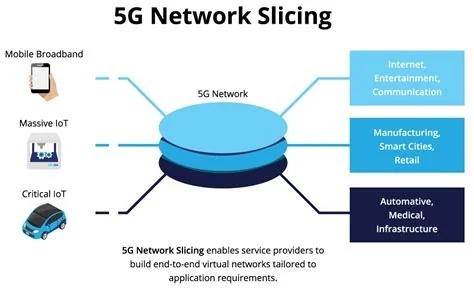
The core combines Nokia’s proven slicing platform with Amazon Bedrock’s generative‑AI foundation. AI agents continuously ingest open‑Internet feeds—traffic‑flow reports, event calendars, location alerts, weather updates, and map changes—and translate them into intent‑driven actions. When a stadium fills for a concert, the agents instantly re‑allocate radio resources, tighten latency targets and lift throughput where it matters most.
Key Data Sources Feeding the AI
- Traffic‑flow reports that capture real‑time congestion patterns.
- Event schedules such as concerts, sports games or festivals.
- Location‑based alerts from public safety feeds.
- Weather feeds delivering rain, wind or temperature shifts.
- Map updates that reflect road closures or construction.
Real‑World Use Cases Tested by du and Orange
du and Orange are trialing the AI‑driven slices across urban and suburban sites, targeting mobile gaming, extended reality and mission‑critical IoT. You’ll notice smoother gameplay and lower lag in crowded venues, while operators gain granular control over each slice’s performance.
Consumer‑Focused Scenarios
- Mobile gaming with dynamic bandwidth boosts during peak play.
- Extended reality streams that adapt latency on the fly.
- High‑definition video calls that stay crystal‑clear even in city‑wide events.
Enterprise and Public‑Safety Applications
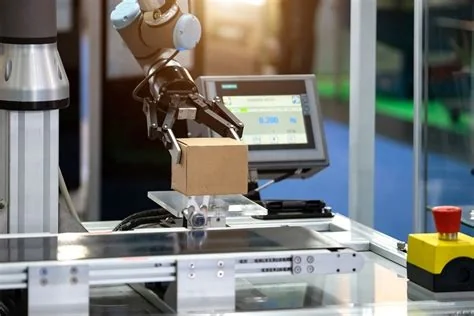
- Manufacturing floors that prioritize low‑latency slices for robotic control during production spikes.
- Smart‑city sensors that receive extra bandwidth for traffic management during rush hour.
- Emergency services that instantly gain top‑priority connectivity when natural‑disaster alerts arrive.
Operational Benefits and Cost Savings
By turning static slices into fluid, self‑optimizing entities, operators can slash OPEX tied to manual re‑configuration. The AI agents monitor key performance indicators—bitrate, latency, packet loss—and adjust RAN policies on the fly. You’ll see higher SLA adherence, better resource utilization and the ability to launch new premium services without a lengthy rollout.
Challenges and Governance
Real‑time AI decisions must remain transparent, auditable and compliant with regional regulations. Nokia and AWS embed robust governance layers so every automated adjustment stays within operator‑defined policies. Ongoing monitoring ensures that any slice change can be traced, verified and, if needed, rolled back.
Future Outlook
The pilot runs for six months, feeding performance data back to Nokia and AWS for continuous refinement. If the trials deliver on promised gains—higher SLA compliance, smarter resource use and fresh revenue streams—other carriers are likely to follow suit, turning adaptive slicing from a buzzword into a day‑to‑day reality for millions of users.