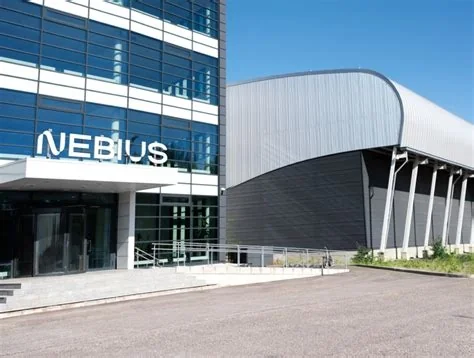
Nebius is building a 240‑megawatt AI‑focused data centre just outside Lille, in Béthune, to give European customers a high‑performance compute hub that’s close to major markets. The facility will host thousands of GPU servers, slash training times, and rely on a robust grid that can support massive AI workloads. You’ll soon see faster AI services across the region.
Strategic Benefits of the Béthune Location
Located near a dense web of high‑voltage transmission lines, Béthune lets Nebius feed a 240‑MW plant without overloading local infrastructure. The region’s strong grid capacity and proximity to Paris, Brussels, and other European hubs cut latency and lower transport costs. Plus, local authorities are streamlining permits, which speeds up construction and gets you up and running faster.
Design Challenges and Sustainability Goals
Running a megawatt‑scale AI facility isn’t just about power; cooling efficiency, redundant power distribution, and low‑latency connectivity are critical. Engineers will need advanced liquid‑cooling loops and smart airflow management to keep temperatures in check. Nebius also aims to pair the centre with renewable energy sources, reducing carbon impact while keeping operating costs competitive.
What This Means for Competitors and the European AI Ecosystem
The new site puts pressure on rivals to boost their own capacity, potentially sparking a regional race for the most energy‑efficient AI clusters. It also signals that Europe can host world‑class AI compute without relying on overseas data centres. If you’re planning AI projects, you now have a nearby, high‑density option that can accelerate development cycles.
Key Advantages of the Béthune Data Centre
- Massive compute power: 240 MW supports thousands of GPU‑laden servers.
- Strategic location: Near major internet exchange points in Paris and Brussels.
- Scalable design: Built to accommodate future upgrades and renewable integration.
- Reduced latency: Proximity to European markets shortens data travel times.