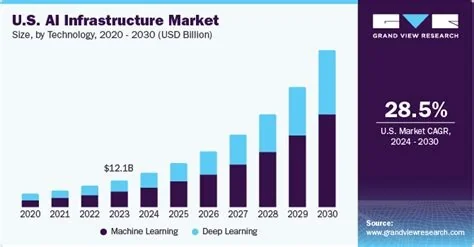
Developers are feeling the pinch as AI workloads surge, driving unprecedented demand for rack space in Northern California while new construction stalls. With vacancy rates at historic lows and pricing climbing, tenants and providers alike must navigate permitting bottlenecks, power constraints, and rising costs to stay competitive. You’ll find that securing space early is becoming a strategic imperative.
Why Supply Is Straining
Supply pipelines are jammed by permitting delays, power‑grid limits, and zoning hurdles. Even though developers are pushing capacity growth, the pace can’t match the AI‑fuelled appetite for low‑latency, high‑throughput infrastructure. The result? A record‑low vacancy rate that’s squeezing landlords into higher asking rents.
Record‑Low Vacancy and Rising Rents
Vacancy has slipped to roughly 1‑2 % across the region, meaning most racks are already taken. Landlords are leveraging this scarcity, nudging average asking rates for a 250‑to‑500 kW load up by over 6 % year‑over‑year. If you’re planning a new deployment, expect higher costs and longer lead times.
Net Absorption Hits New High
Net absorption surged past 2,400 MW, eclipsing the previous peak. While Northern Virginia still leads, Silicon Valley’s appetite is fierce, reflecting the pull of AI training and inference workloads that need proximity to talent and fiber networks.
Implications for Tenants and Providers
- Pricing pressure – Scarcity is pushing rents upward, prompting tenants to pre‑lease space years in advance.
- Accelerated pre‑construction – Developers are front‑loading site selection and permitting work to beat the backlog.
- Geographic diversification – Companies are scouting secondary markets, yet Northern California remains the gold standard for latency‑critical AI.
- Energy‑policy focus – Power constraints are driving operators toward renewable‑energy contracts and on‑site generation.
What You Should Do Next
If you’re a tenant, start scouting available capacity now and be ready to lock in power contracts early. For providers, balancing aggressive pre‑leasing with sustainable energy sourcing will help you stay ahead of the curve. The gap between demand and supply is only widening, so strategic moves today will dictate who dominates the AI‑heavy workloads tomorrow.
Overall, the Northern California data‑center market is becoming a high‑stakes arena where power, permits, and pricing intersect. Companies that can align capacity growth with clean‑energy supply and navigate regulatory hurdles will capture the most valuable AI workloads.