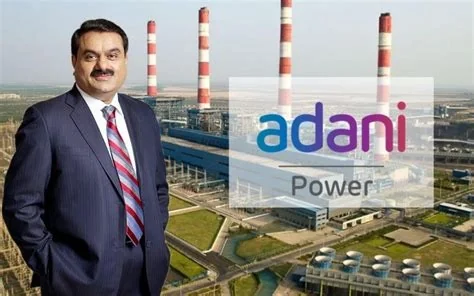
Adani Group is pouring $100 bn into AI‑ready hyperscale data centres that will run on renewable power by 2035. The plan promises a 5 GW green‑energy backbone, enough to support massive AI model training while cutting carbon footprints. If you’re watching India’s tech surge, this investment reshapes where and how AI workloads will be hosted.
Why the $100 bn Investment Matters
India’s AI ambitions have hit a power reliability wall, and the new green‑energy data centres aim to dissolve that bottleneck. By marrying solar, wind, and emerging green‑hydrogen with high‑density compute, the initiative tackles both capacity and sustainability in one stroke. Companies looking for low‑cost, carbon‑negative compute will find a compelling alternative to traditional hubs.
Scale and Technology Roadmap
From 2 GW to 5 GW: Power Challenges
Boosting capacity from the current 2 GW to 5 GW isn’t just about adding more racks. It forces a redesign of power distribution, cooling, and network topology to handle AI spikes that can surge to megawatts within minutes. Engineers will need to blend renewable generation, battery storage, and grid interaction seamlessly.
Renewable Energy Mix and Storage
The blueprint relies on a diversified renewable portfolio—solar farms, wind parks, and green‑hydrogen projects—paired with large‑scale battery arrays. This mix smooths intermittency, ensuring that AI workloads receive uninterrupted power while keeping the carbon footprint negative.
Economic and Strategic Impact
Jobs and Skill Development
The $250 bn ecosystem projected around the data‑centre network promises thousands of new roles, from construction crews to AI model‑optimisation specialists. High‑skill positions will emerge in hardware design, cloud services, and sustainable energy management.
India’s Tech Sovereignty
Building a sovereign compute backbone reduces reliance on foreign cloud providers. It aligns with national goals of technological self‑sufficiency, giving Indian firms a home‑grown platform for critical AI workloads.
Potential Risks and Roadblocks
Scaling renewable generation to match AI demand will require massive land acquisition and robust grid upgrades. Regulatory support must stay consistent, especially for site approvals and storage incentives. Any lag in these areas could slow the rollout and affect the timeline.
What This Means for You
If you’re planning AI projects, the upcoming green‑energy data centres could offer lower electricity costs and a clear sustainability narrative. Keep an eye on the rollout schedule, because early adopters may secure premium capacity and strategic partnerships.
- Lower Power Costs: Renewable energy can slash operating expenses for AI workloads.
- Carbon‑Negative Footprint: Align your projects with global ESG expectations.
- Strategic Advantage: Access to a sovereign compute platform reduces geopolitical risk.