
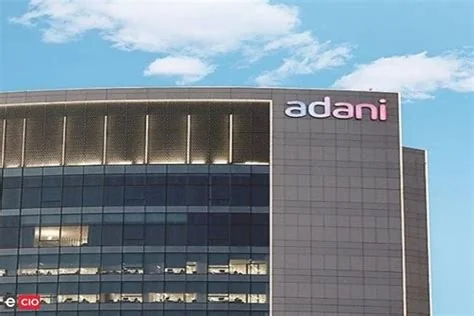
Adani Group is committing $100 billion to launch a nationwide network of AI‑ready data centers powered entirely by renewable energy. The initiative aims to deliver high‑density compute, low‑latency networking, and on‑site solar and wind generation, giving Indian businesses a local, green alternative for AI workloads. You’ll soon see faster, cheaper AI services across the country.
Why Renewable AI Data Centers Matter for India
India’s demand for AI compute is soaring, yet the existing data‑center stock can’t keep pace. By pairing renewable power with next‑generation hardware, the plan tackles two pressing needs: cutting carbon emissions and reducing operating costs for AI‑intensive applications.
Environmental Benefits
- On‑site solar and wind reduce reliance on fossil‑fuel grids.
- Lower carbon footprint aligns with national green‑growth goals.
- Integrated energy solutions improve overall Power Usage Effectiveness (PUE).
Economic Advantages
- Domestic renewable supply trims electricity expenses for cloud providers.
- Local AI‑grade compute lowers entry barriers for startups.
- New jobs in construction, operations, and renewable integration boost regional economies.
Key Features of Adani’s Data Center Network
Each facility is designed to handle the most demanding AI models while staying energy‑efficient.
High‑Density Compute
Data halls will host cutting‑edge GPUs and ASICs, delivering the horsepower needed for large‑language models and generative AI.
Low‑Latency Networking
Fiber‑backbone connections ensure rapid data transfer, essential for real‑time AI inference.
Co‑Location with Renewable Assets
Sites will be paired with solar farms in Gujarat and wind parks in Tamil Nadu, minimizing transmission losses and maximizing clean‑energy use.
Expected Impact on the Indian Tech Ecosystem
Cloud giants and home‑grown platforms alike will benefit from a reliable, cost‑effective supply of AI compute. You’ll likely see more Indian startups building sophisticated AI products without the premium price tags of imported hardware or foreign electricity.
- Improved competitiveness of Indian AI services on the global stage.
- Attraction of foreign R&D labs seeking low‑emission compute resources.
- Acceleration of AI research in universities and innovation hubs.
Challenges and Roadmap Ahead
Scaling to a $100 billion investment brings hurdles. Securing land, obtaining regulatory clearances, and training a skilled workforce are critical steps. Additionally, integrating intermittent renewable power with high‑density racks demands advanced load‑balancing and storage solutions.
Milestones
- Phase 1: Deploy pilot sites in key renewable zones within the next two years.
- Phase 2: Expand to major metropolitan regions, targeting full operational capacity by the mid‑2020s.
- Phase 3: Optimize energy‑storage systems to ensure uninterrupted AI workloads.
Success will hinge on coordinated execution across engineering, policy, and market adoption. If the roadmap stays on track, India could transform from a peripheral player into a credible hub for AI research and services.


