AWS Japan Launches $6 Million Physical AI Development Support Program
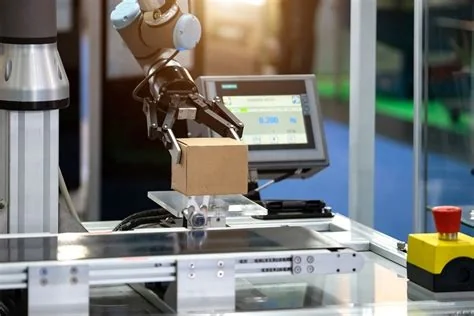
Amazon Web Services’ Japan division is betting big on the next wave of intelligent machines. Starting in early March, the company will run an eight‑week Physical AI Development Support Program that hands out up to $6 million in promotional cloud credits, hands‑on technical mentorship, and go‑to‑market assistance to Japanese robotics startups and research teams building robot‑foundation models.
Program Overview
The initiative is designed to bridge the gap between AI prototypes and real‑world robot deployments. Participants will receive end‑to‑end support that covers everything from data collection and preprocessing to model training, simulation, and field integration. A public showcase in July will let teams demonstrate their progress to investors, industry partners, and the broader AI community.
Core Support Pillars
- Technical assistance – Physical AI specialists will guide teams on robot‑foundation model development, provide sample code, and recommend AWS architecture patterns that suit multimodal workloads.
- Cloud‑cost credits – Promotional credits offset compute, storage, and data‑generation expenses, easing the financial strain of training large Vision‑Language‑Action (VLA) or world‑model networks.
- Community building – Workshops, knowledge‑sharing sessions, and networking events foster collaboration among startups, university labs, and established robot manufacturers.
- Go‑to‑market facilitation – AWS will match model developers with robot‑deployment companies, accelerating commercialization and helping teams navigate regulatory and supply‑chain hurdles.
Eligibility & Application Process
Any organization with a legal presence in Japan can apply—startups, large enterprises, universities, or research institutes. Applicants must be actively developing robot‑centric AI models such as Vision‑Language‑Action, vision‑language models (VLM), or world models. While an existing robotics testbed is helpful, it isn’t mandatory. Teams need an active AWS account and must comply with AWS’s Acceptable Use Policy.
Proposals are submitted through the dedicated AWS Japan portal, detailing current work, planned milestones, and how the credits and mentorship will be used. The deadline is 13 February; selections are announced later that month, and the support period runs from early March through June.
Why Physical AI Matters
Physical AI fuses perception, language understanding, and motor control into a single loop. That capability is essential for service robots that assist the elderly, autonomous vehicles that navigate crowded streets, and factory equipment that adapts on the fly. By subsidising cloud resources and offering expert guidance, AWS is lowering the barrier for Japanese innovators to train multimodal models at scale.
Potential Market Impact
Japan’s robotics sector already commands a multi‑billion‑dollar valuation, but most solutions remain siloed. Successful participants could accelerate the rollout of VLA‑enabled robots across warehouse automation, logistics, and elder‑care assistance. Access to AWS services such as SageMaker, RoboMaker, and IoT Core enables a seamless pipeline from model training to real‑world integration, potentially expanding the market beyond its current limits.
Practitioners Perspective
“The biggest hurdle for us has always been the cost of training large multimodal models,” says Hiroshi Tanaka, co‑founder of RoboSense, a Tokyo‑based startup accepted into the program. “With AWS’s credits and the hands‑on guidance, we can finally iterate on our VLA architecture without draining our runway. Tanaka adds that the matchmaking component is a game‑changer: “We’ve already been introduced to a leading logistics firm that’s eager to pilot our robot in a real warehouse.”
Dr. Aiko Sato, a robotics professor at Osaka University, echoes the sentiment. “Our lab has the data and the expertise, but scaling up to a production‑grade model has been out of reach. This program gives us both the compute budget and the engineering best practices we need to move from paper to prototype.”
Future Outlook
The July showcase will be the first public window into how cloud‑based acceleration can reshape physical AI development in Japan. If the program meets its goals, AWS’s $6 million commitment could inspire similar initiatives across Asia, cementing the region’s role in the global robotics race.
For more information or to ask questions, interested parties can contact the program secretariat at aws-jp-generative-ai-acceleration-program@amazon.co.jp. The deadline looms, and the race to build the next generation of intelligent robots is already heating up.