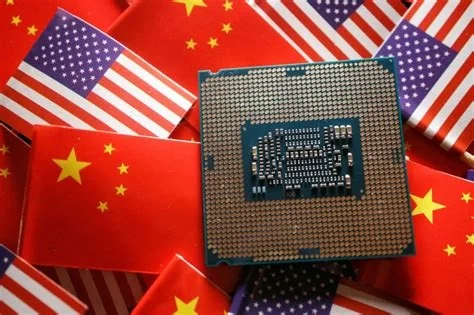
The Trump administration is pushing new export rules that would require government approval for every AI chip shipped globally. These measures aim to tighten control over semiconductors, affecting companies like Nvidia and AMD. You might wonder how this impacts the tech industry and your access to AI innovations. This article breaks down the key details and what they mean for the future of global AI.
How the Proposal Fits into Trump’s Strategy
The plan builds on the administration’s history of restricting tech exports. It replaces previous rules that aimed to limit Chinese access to U.S. AI hardware. You should know this shift reflects a broader effort to reshape global AI supply chains. The new framework would grant the U.S. government authority to block or approve international sales of advanced chips, regardless of where they’re headed.
Licensing Requirements
Companies outside the U.S. would need licenses to buy AI hardware. Small orders might face basic checks, while large-scale purchases—like data centers deploying thousands of GPUs—could require direct negotiations with the Commerce Department. For example, shipments of 1,000 GPUs would undergo a simplified review, but clusters with 200,000 GPUs would demand “national-security assurances.”
Compliance Obligations
The rules include strict compliance terms, such as operational transparency and potential U.S. inspections. These measures aim to ensure foreign buyers align with American AI goals. The administration claims this will protect national interests, but critics argue it could slow innovation and push customers toward non-U.S. suppliers.
What This Means for the Tech Industry
The proposal could force allies to navigate complex compliance hurdles. This might lead some to seek alternatives, altering how AI hardware is distributed worldwide. You should also consider the market impact—stocks of major chipmakers dropped after the draft surfaced, signaling investor concerns about overregulation.
Global Implications
The tiered system may reshape the global AI landscape. By prioritizing U.S. control, the rules could accelerate a shift in how high-end AI hardware is accessed. However, the plan remains in draft form, and its final shape will depend on feedback from industry groups and international partners.
Future Outlook
Practitioners are divided on the proposal’s effectiveness. Some see it as a necessary step for security, while others warn it could backfire. You might question whether these rules will secure U.S. dominance or speed up the rise of competitors. The answer hinges on how the world adapts to this new framework.