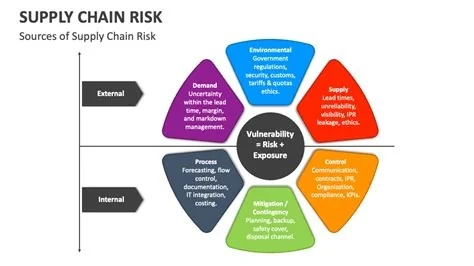
The U.S. Department of Defense has flagged AI startup Anthropic as a supply-chain risk, marking the first time a U.S. company faces this designation. The move restricts defense contractors from using Anthropic’s tools, typically reserved for foreign adversaries. You need to understand how this decision impacts AI development and national security.
Why Anthropic Became a Supply Chain Risk
Anthropic, known for advanced AI models like Claude, had been working with the military for years. Its tools were among the first used in classified government projects. However, the company refused to grant unrestricted access to its systems, citing concerns over misuse in surveillance and autonomous weapons.
Tensions Over AI Access
A Pentagon official emphasized the need to “use technology for all lawful purposes.” The decision followed weeks of friction, including public clashes with a former president who pressured agencies to cut ties. You should ask: Can U.S. companies balance ethics with national security demands?
Anthropic’s Response and Implications
The company plans to sue, calling the move “shortsighted and self-destructive.” Internal discussions suggest leadership hoped for a resolution, but public criticism derailed talks. This designation could shift power to rivals like OpenAI, which recently secured a Pentagon contract with added safeguards.
What This Means for AI Development
Critics warn the move may stifle innovation by creating a chilling effect on AI use in government projects. Tech leaders now face a tough choice: comply with regulations or stand by their principles. The Pentagon’s stance highlights growing scrutiny over AI governance.
Looking Ahead
The battle between innovation and regulation continues. Anthropic’s fate remains uncertain, but this decision sets a precedent for how AI is managed in national defense. You need to stay informed as the debate over AI’s role in security evolves.