The Japan National Police Agency (NPA) has launched a new anti-fraud app to address a surge in scam-related losses, which reached 1.41 trillion yen in the last year. The tool, called “Police-Recommended Safety App,” offers real-time alerts, secure communication with officers, and educational resources to help users identify and report fraud. As scams grow more complex, the app aims to empower citizens with proactive protection against financial crimes.
Key Features of the Anti-Fraud App
The app includes critical tools designed to combat modern fraud tactics. Users receive instant notifications about suspicious activity, access secure channels to report incidents, and get guidance on recognizing phishing attempts or fake financial services. These features are especially important for elderly users and those less familiar with digital threats. The NPA emphasizes that the app complements traditional policing but does not replace human expertise in complex cases.
How the App Supports Fraud Prevention
By integrating real-time data and educational content, the app helps users act quickly when fraud is suspected. For example, if a user receives a suspicious call, they can immediately check the app for warnings or contact local authorities through its secure interface. This approach reduces response time and minimizes financial harm. However, experts caution that technology alone cannot eliminate scams, which often exploit trust and psychological manipulation.
The NPA’s Role in Modernizing Security
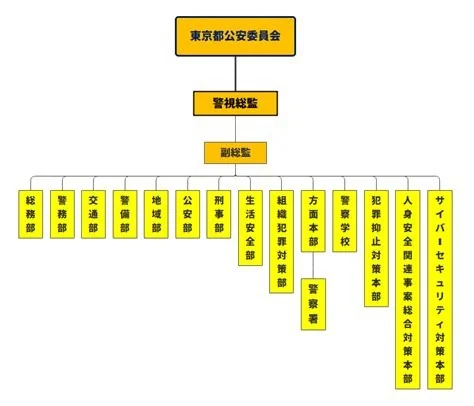
The NPA oversees all 47 prefectural police departments, including the Tokyo Metropolitan Police Department. Its national coordination ensures consistent standards for crime prevention and response. During the recent fraud crisis, the agency faced challenges as scammers targeted vulnerable groups with sophisticated schemes. The new app is part of a broader strategy to adapt to evolving threats while maintaining public safety.
Challenges in Digital Transformation
Despite its benefits, the app’s success depends on the NPA’s technical staff, who manage cybersecurity infrastructure and data analysis. Recruitment difficulties persist due to competition from private-sector tech roles. Officials acknowledge that hiring skilled IT professionals is critical to maintaining the app’s functionality and security. Without adequate support, the tool’s effectiveness could be limited.
Privacy and Transparency Concerns
Users worry about how much personal data the app collects and who will oversee its use. The NPA states that all information will follow strict security protocols, but transparency remains a priority. Clear guidelines on data handling and user consent are essential to build trust. Without this, adoption rates may suffer, weakening the app’s impact on fraud prevention.
Expert Perspectives on the App’s Potential
Field professionals recognize both the app’s value and limitations. A Tokyo-based detective noted that while technology cannot replace human judgment, tools like this can speed up responses in urgent cases. For example, if a victim is isolated or hesitant to report a crime, the app could act as a bridge to authorities. However, education and community outreach remain vital to addressing the root causes of fraud.
Future Outlook for the NPA’s Strategy
As Japan’s population ages and digital divides persist, the NPA’s ability to innovate will shape its effectiveness. The app is a step forward, but ongoing efforts are needed to balance technology with accountability. By addressing privacy concerns, improving recruitment, and fostering public awareness, the agency can strengthen its role in safeguarding citizens from financial crime.