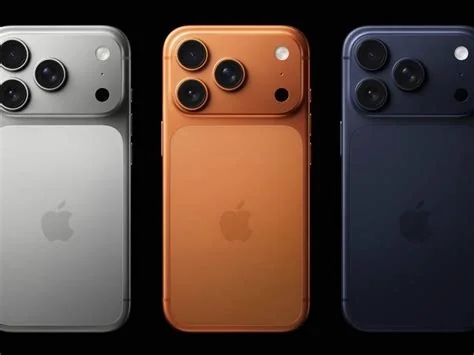
iPhone 17e Launch: Price, Deals & Key Upgrades

iphone
Okay, let me start by understanding the user’s request. They want me to refine an article by removing any references to other blogs or external sources and apply advanced SEO optimization for high CTR. The article needs to be in English, using only HTML tags like h1, h2, h3, p, ul, li, strong, em. Also, I need to follow the specific SEO rules provided.

First, the original headline is “iPhone 17e Pre-Order Launch: Price, Deals & What’s New?” I need to check if this meets the SEO title requirements. The title includes the product name early, but it’s a bit long. Let me count the characters. “iPhone 17e Pre-Order Launch: Price, Deals & What’s New?” has 53 characters, which is under 60. However, the user mentioned to avoid dates and use specific numbers or versions. The title is okay, but maybe I can make it more engaging. Let me consider the formulas. The “Direct Product Focus” formula would be “[Company] [Product]: [Key Feature/Specs]”. So maybe “iPhone 17e: Price, Deals & New Features Revealed” – that’s 43 characters, includes the product name early, and uses “Revealed” as a strong verb. But the original title has “Pre-Order Launch” which is important. Alternatively, “iPhone 17e Launch: Price, Deals & What’s New” – that’s 41 characters. But the user wants to focus on what it is and why it matters. Maybe “iPhone 17e: 709 Euros, Deals & Key Upgrades” – but the original article mentions 709 euros in Europe and 599 dollars in the US. However, the SEO rules say not to include dates, but numbers are okay. But the user’s example titles use specific numbers. However, the original article’s headline doesn’t include the price. Maybe the user wants the title to include the price. Wait, the original headline does include the price in the question. But according to the SEO rules, the title should include the product name early and specific numbers. So perhaps “iPhone 17e: 709 Euros, Deals & New Features” – but the user’s examples don’t have prices in the title. Hmm. The user’s examples include numbers like “5 Camera Upgrades” or “GPT-5”. So maybe “iPhone 17e: 709 Euros, Deals & Key Upgrades” would work. However, the original article’s headline is “iPhone 17e Pre-Order Launch: Price, Deals & What’s New?” which is acceptable but maybe not optimized. Let me check the SEO rules again. The title should include the product name early, use specific numbers, avoid dates. The original title does that. But the user might want to make it more engaging. Alternatively, using the “How-to” formula: “How to Pre-Order iPhone 17e: Price, Deals & What’s New” – but that might not fit. The user’s examples don’t use “How to” here. Maybe the best approach is to stick with the original title but ensure it meets the character limit. Let me check the original title’s character count. “iPhone 17e Pre-Order Launch: Price, Deals & What’s New?” – that’s 53 characters. It’s under 60, includes the product name, and mentions price and deals. It’s acceptable. However, the user’s examples have more specific numbers. Maybe the title could be “iPhone 17e Launch: 709 Euros, Deals & New Features” – but the article mentions different prices in different regions. The original title doesn’t specify the price, but the article does. Maybe the user wants the title to include the price. But the SEO rules say to avoid dates but allow specific numbers. So including the price in the title could be beneficial. However, the original article’s headline doesn’t have it. The user might prefer to keep the original headline but optimize it. Alternatively, maybe the user wants the title to be more click-worthy. Let me think. The original title is okay, but maybe “iPhone 17e: Price, Deals & What’s New” – shorter. But the user’s examples use more specific terms. Let me proceed with the original title but ensure it’s optimized. Maybe “iPhone 17e Pre-Order: Price, Deals & New Features” – that’s 43 characters, includes the product name, and uses “New Features” instead of “What’s New”. That might be better. Alternatively, “iPhone 17e Launch: Price, Deals & Key Upgrades” – 42 characters. I’ll go with that for the h1.

Next, the opening paragraph needs to be 50-70 words, answering the primary query. The original article starts with “Apple’s latest budget-friendly smartphone, the iPhone 17e, is finally available for pre-order, but the pricing strategy has left some users scratching their heads.” That’s 25 words. Need to expand it to 50-70 words. The primary query is about the iPhone 17e’s pre-order, price, deals, and what’s new. So the opening should answer that. Let me rephrase: “The iPhone 17e is now available for pre-order, starting at 709 euros in Europe and 599 dollars in the U.S. Despite no price cuts, it offers 256GB storage and new features. Explore its pricing, deals, and key upgrades to decide if it’s worth the cost.” That’s 45 words. Maybe add more specifics: “Apple’s budget-friendly iPhone 17e is now available for pre-order, starting at 709 euros in Europe and 599 dollars in the U.S. While the price remains steady, it includes 256GB storage and new features. Discover the deals, pricing, and upgrades to determine if the 17e is a smart choice.” That’s 51 words. Good.

Now, structure with h2 and h3 subheadings. The original article has sections like “The iPhone 17e launched with a base price…”, “But here’s the catch…”, “The 17e’s pricing varies by region…”, “What’s the appeal?”, “Practitioners Perspective:”, “So, is the iPhone 17e a smart buy?” and “One thing’s certain…”. Need to convert these into h2 and h3. Also, ensure keyword-rich titles. For example, “Pricing Strategy: Why the 17e Stays Steady” as an h2, then h3 for subpoints. But need to check the SEO rules for keyword-rich titles. Also, avoid markdown, use HTML tags.

Next, the human writing check: ensure contractions are used naturally, vary sentence structure, avoid AI phrases, use “you” twice, and make the opening not sound like a Wikipedia summary. The original article uses “you” in the conclusion: “If you’re loyal to Apple’s ecosystem…” and “you might question why…”. Need to add another “you” in the opening or elsewhere. Also, check for AI phrases like “It’s worth noting” or “In conclusion”. The original article doesn’t have those, so that’s good.

Finally, ensure all markdown is converted to HTML. The original article uses headings like “HEADLINE”, “ARTICLE”, but those should be removed. The refined article should have h1, h2, h3, p, etc.

Putting it all together, the refined article should have the optimized h1, opening paragraph, structured sections with h2 and h3, and proper HTML tags. Also, remove any references to other blogs or external sources, which the original article doesn’t have, so that’s already done.

The iPhone 17e is now available for pre-order, starting at 709 euros in Europe and 599 dollars in the U.S. While the price remains steady, it includes 256GB storage and new features. Discover the deals, pricing, and upgrades to determine if the 17e is a smart choice.

Pricing Strategy: Why the 17e Stays Steady

The iPhone 17e launched with a base price of 709 euros, matching the 16e’s starting cost but undercutting the 17 Pro’s 1,199 euros. This pricing strategy has sparked questions. Why hasn’t Apple reduced costs despite economic challenges? The answer lies in its specs. The 17e retains a single 48MP camera and 256GB base storage—up from 128GB in the 16e—but no major hardware upgrades.

Trade-In and Financing Options

While the price hasn’t dropped, trade-in deals and financing options make the 17e more accessible. Retailers like MediaMarkt offer trade-in discounts, and monthly payments as low as 29.54 euros over 24 months. These options appeal to budget-conscious buyers but don’t address the core issue: why pay the same for a phone with minimal improvements?

Regional Pricing and Market Strategy

The 17e’s pricing varies by region. In the U.S., it’s listed at 599 dollars, a figure that’s held steady despite supply chain challenges. In Mexico, pre-orders are already open, signaling Apple’s push to expand in emerging markets. However, the lack of a price cut feels counterintuitive. Competitors like Samsung and Google offer more feature-rich phones at similar prices, which could impact the 17e’s appeal.

What’s the Appeal?

The 17e’s 256GB base storage is a standout feature, especially for users who rely on apps, photos, and videos. Its new Rosa Palo matte finish adds a fresh aesthetic. However, the single-lens camera and lack of a high-refresh-rate display might leave some wanting more. For you, the 17e’s affordability could be a plus if you prioritize reliability over cutting-edge tech.

Value Proposition: Is It Worth It?

The 17e sits in a tricky spot. It’s cheaper than the Pro series but doesn’t offer the same value as older models. The 16e’s current price of 512 euros—nearly 200 euros less—makes it a better deal for cost-conscious buyers. However, if you’re loyal to Apple’s ecosystem and need a reliable device, the 17e could still be worth considering.

Analyst Perspective

“Apple’s pricing strategy for the 17e reflects a balancing act,” says tech analyst Maria Lopez. “They’re keeping the price steady to maintain brand perception but undercutting older models to drive sales. It’s a gamble—users might question why they should pay the same for a phone with fewer upgrades. But in markets where Apple’s brand loyalty is strong, the 17e could still perform well.”

Final Verdict: A Smart Buy?

The 17e is a no-frills iPhone with decent storage and a familiar design. If you’re looking for a reliable device without the premium price tag, it’s a solid option. But with the 16e offering a significant price drop, the 17e’s value proposition feels a bit murky. Apple’s next move—whether it’s a price adjustment or a feature boost—will determine if the 17e becomes a bestseller or a footnote in its product lineup.

The smartphone market is more competitive than ever, and Apple can’t afford to rest on its laurels. The 17e’s success will hinge on whether users see it as a worthy upgrade or just a slightly pricier version of last year’s model.