The rapid advancement of artificial intelligence is causing concern among workers, employers, and investors alike. You might be wondering what this means for your job security. Recently, Block announced that it would slash nearly half its workforce – more than 4,000 employees – as AI reshapes its business. This move has fueled fears that AI is coming for more American jobs.
Why Are Companies Citing AI for Layoffs?
Block’s CEO, Jack Dorsey, said the company chose a single round of deep cuts instead of layoffs spread over months and years to protect morale and customer trust. He predicted that other companies would follow suit as they reap more productivity gains from AI tools. “I don’t think we’re early to this realization,” Dorsey told investors on the Block earnings call. You’re probably thinking, what does this mean for your career?
More Companies Are Blaming AI for Workforce Cuts
This isn’t the first time a company has blamed AI for workforce cuts. Pinterest, CrowdStrike, and Chegg are among the companies that attribute layoffs to AI advancements. Salesforce cut roughly 4,000 customer-support roles, and Ford CEO Jim Farley said that AI will “replace literally half of all white-collar workers in the U.S.” You’re likely concerned about the impact of AI on your industry.
The Impact of AI on Employment
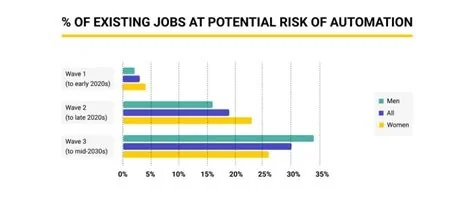
The trend has caught the attention of policymakers. Many companies are announcing layoffs or reducing hiring, often citing AI as the reason. But the impact of AI on employment isn’t yet clear. A sharp rise in unemployment could have far-reaching consequences for the economy. You might be worried about the future of your job.
What Does the Future Hold?
As AI continues to advance, it’s likely that more companies will reassess their workforce needs. But what does this mean for the future of work? Will AI really replace human workers, or will it augment their roles? You might be wondering if you’ll need to upskill or reskill to stay relevant.
Preparing for the Future of Work
As AI continues to reshape the workforce, it’s essential for companies, policymakers, and workers to adapt. This might involve upskilling or reskilling workers to work alongside AI, or finding new ways to mitigate the impact of job losses. By working together, we can ensure that the benefits of AI are shared by all, not just a select few.
Key Takeaways
- AI is causing concern among workers, employers, and investors alike.
- More companies are citing AI as a reason for workforce cuts.
- The impact of AI on employment is still unclear.
- Companies, policymakers, and workers must adapt to the changing workforce.
What’s Next?
The future of work is changing, and it’s up to us to prepare for it. As AI continues to advance, you’ll need to stay informed and adapt to the changing landscape. By doing so, you can ensure that you’re prepared for the opportunities and challenges that AI will bring. Stay ahead of the curve and take control of your career.