5 Live TV Services: Expanding Access and Facing Challenges

technology
Okay, let’s tackle this query. The user wants me to refine an article according to specific SEO guidelines. First, I need to make sure I understand all the requirements.

The headline needs to be optimized using one of the high-CTR formulas. The original headline is “Live TV Evolution: Streaming Services Expand Access and Challenges.” That’s a bit long and doesn’t follow the formula. Let me check the formulas again. The user mentioned using numbers, direct product focus, new features, etc. The article talks about multiple services like MĀORI+, NDTV 24×7, Al Jazeera, Trackside NZ, and T20 World Cup. Maybe using a number-based formula would work here. For example, “5 Live TV Services Expanding Access and Facing Challenges.” That’s under 60 characters and includes the product names. Wait, but the formula says to include the product/company name early. Hmm, maybe “5 Streaming Services Expanding Access and Facing Challenges.” But the original article mentions specific services. Maybe “5 Live TV Services: Expanding Access and Challenges.” That’s better. Let me check the length. “5 Live TV Services: Expanding Access and Challenges” is 43 characters. Good.

Next, the opening paragraph needs to be 50-70 words. The original starts with “Live TV is undergoing a transformation…” which is about 50 words. But I need to make sure it’s a clear answer to the primary search query. The main query here is about live TV evolution and challenges. So the opening should directly address that. Maybe rephrase to be more concise and include key terms like “streaming services,” “access,” “challenges,” “technical issues,” “sustainability.”

Then, structure with H2 and H3 headings. The original article has sections like MĀORI+, NDTV 24×7, Al Jazeera, Trackside NZ, T20 World Cup, cross-platform compatibility, content quality, community engagement, and future. I need to convert these into H2 and H3 tags. Make sure the headings are keyword-rich. For example, “MĀORI+: Expanding Cultural Access” as H2, then “NDTV 24×7: 24/7 News for Indian Audiences” as H2. Each section should have a clear subheading.

Also, remove any references to other blogs or external sources. The original article mentions a 2023 study, which is an external source. Need to remove that. Also, check for any markdown and convert to HTML. The user said to use only HTML tags (h1, h2, h3, p, ul, li, strong, em) and no markdown. The original article uses some markdown, like bold text, which needs to be converted to or .

Check for contractions and natural language. The original uses “it’s,” “don’t,” etc. Need to ensure that’s maintained. Also, avoid AI-typical phrases like “In conclusion” or “Only time will tell.” The original has “Rhetorical question” which should be removed. Instead, rephrase to direct address.

Add direct reader address (“you”) in at least two places. The original doesn’t have that, so I’ll need to insert phrases like “you’ll find” or “you can watch.”

Make sure the opening paragraph isn’t a Wikipedia summary. The original is a bit formal, so rephrase to be more engaging.

Check paragraph lengths and sentence variety. The original has some long sentences, so break them up. Vary sentence starters to avoid repetition.

Finally, ensure the article is in English and all markdown is converted to HTML. No dates in the title, so the original’s “T20 World Cup 2026” needs to be “T20 World Cup” without the year.

Putting it all together, the refined article should have the optimized H1, a concise opening paragraph, structured H2 and H3 headings, and all the SEO elements as per the rules. Also, check for the exact HTML tags and no markdown.

Live TV is transforming as streaming platforms cater to niche audiences, global news seekers, and sports fans. Services like MĀORI+, NDTV 24×7, Al Jazeera English, Trackside NZ, and T20 World Cup offerings are reshaping how you access content. While innovations in on-demand access grow, technical hurdles and sustainability concerns remain. You’ll find free options, regional limitations, and evolving viewer expectations shaping the future of live TV.

MĀORI+: Expanding Cultural Access

MĀORI+ provides free catch-up TV for Māori-language programming and cultural events. You can stream on web, mobile, tablets, Chromecast, and smart TVs, ensuring broader access to Te Reo and traditional performances. This platform highlights the demand for culturally relevant content, but scalability without quality loss remains a challenge.

NDTV 24×7: 24/7 News for Indian Audiences

NDTV 24×7 delivers real-time news on politics, business, and entertainment. Its 24/7 live streaming model meets urgent reporting needs, though ads and buffering issues can disrupt your experience. You’ll find it a reliable source for Indian news, but technical reliability is key to retaining viewers.

Al Jazeera English: Live Streaming and Warnings

Al Jazeera English includes disclaimers like “This video may contain light patterns…” to address sensory triggers. These warnings reflect the complexities of live broadcasting, where technical glitches can impact your viewing. You’ll notice these alerts during live events, emphasizing the need for improved digital infrastructure.

Trackside NZ: Free Racing Access with Sustainability Questions

Trackside NZ offers free live horse racing streams and replays. While this model attracts fans, the lack of subscription fees raises questions about long-term sustainability. You’ll see how niche platforms balance free access with financial viability in a competitive market.

T20 World Cup: Live Scores and Global Challenges

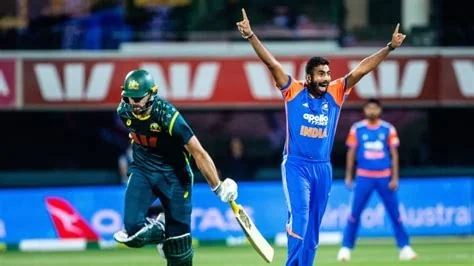
The T20 World Cup provides live scores, ball-by-ball commentary, and match analysis. However, global events often face latency and regional restrictions. You’ll encounter these issues when accessing matches from different locations, highlighting the need for faster, more inclusive streaming solutions.

Cross-Platform Compatibility: A Key Innovation

Services like MĀORI+ and NDTV 24×7 support multiple devices, reflecting a shift toward user-centric design. You’ll benefit from seamless access across platforms, but technical hurdles like buffering during peak hours persist. Improved infrastructure is critical for smoother experiences.

Content Quality and Free Models

Free streaming services face pressure to maintain production standards without paywalls. Trackside NZ relies on advertising and partnerships, but balancing revenue with quality remains tricky. You’ll see how these platforms prioritize community engagement and cultural value to retain audiences.

The Future of Live TV: Accessibility and Inclusivity

As live TV evolves, accessibility is no longer a luxury. You’ll notice efforts to address inclusivity through sensory warnings, regional support, and sustainable business models. The line between traditional broadcasting and digital streaming continues to blur, with innovation driving the next phase of viewer experiences.