
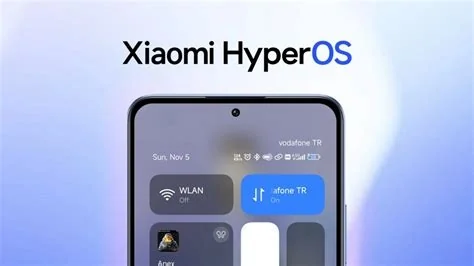
Xiaomi is finalizing the HyperOS 3.0 rollout across its flagship devices while simultaneously releasing the HyperOS 3.1 beta built on Android 16. The update brings smoother performance, stronger security, and enhanced cross‑device continuity, positioning Xiaomi’s ecosystem for a unified, future‑ready software foundation.
HyperOS 3.0 Rollout Progress
The HyperOS 3.0 upgrade has reached roughly 95 % of eligible smartphones, tablets, and wearables. The remaining devices are expected to receive the update within the next few weeks, completing the rollout for the entire supported lineup.
Key details for users:
- Update location: Settings → System Update.
- Download size: 2 GB – 4 GB depending on the device model.
- Improvements: Performance optimizations, refined UI animations, and enhanced privacy controls.
HyperOS 3.1 Beta: Android 16 Foundations
The HyperOS 3.1 beta introduces a new platform built directly on Android 16, enabling deeper integration of native Android features and a refreshed Material You design language.
Major Highlights
- Smoothness Engine: Reworked compositor reduces frame drops and accelerates UI transitions, especially on mid‑range SoCs.
- Security Suite: On‑device AI scanning for malicious apps, tighter sandboxing, and a unified security dashboard.
- Smarter Cross‑Device Features: Seamless handoff of media playback, clipboard content, and notification sync across phones, tablets, and Wear OS wearables.
Industry Context and Implications
By anchoring HyperOS 3.1 on Android 16, Xiaomi aligns with Google’s latest security and performance standards while preserving its distinctive UI and feature set. The near‑complete HyperOS 3.0 rollout means over 300 million active Xiaomi devices will soon share a unified software base, reducing fragmentation and simplifying OTA updates for both users and developers.
Compared with peers such as Samsung’s One UI 6 and OPPO’s ColorOS 14, Xiaomi’s simultaneous major OS release and beta launch demonstrate a commitment to staying on pace with global OEMs while leveraging its scale to test new features across a large user pool.
Developer Perspective
Alex Chen, Senior Android Engineer notes that the shift to Android 16 under HyperOS 3.1 simplifies background execution limits and permission handling, reducing the need for workarounds. The smoother compositor also minimizes frame‑rate hiccups on mid‑range devices, which is crucial for retaining users in emerging markets. Chen highlights the cross‑device continuity as a new opportunity for developers to create seamless experiences without extensive custom integration, while cautioning that beta stability should be monitored.
Looking Ahead
With HyperOS 3.0 expected to finish rolling out soon and the HyperOS 3.1 beta already available for testing, Xiaomi is set to transition its entire hardware lineup to an Android 16‑based platform within the next year. Users can anticipate a more fluid interface, tighter security, and richer cross‑device interactions, while developers gain a stable, feature‑rich environment for building the next generation of Android applications.


