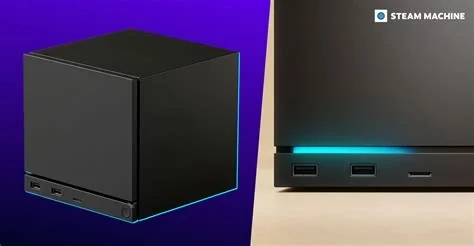
Valve’s Steam Machine, the hybrid console‑PC that runs SteamOS, is now slated for a first‑half‑2026 launch because of a global DDR5 RAM shortage. The shortage forces Valve to rethink component sourcing, pricing, and production timelines, meaning you may see a higher price tag and a later arrival than originally promised.
Why the RAM Shortage Impacts the Steam Machine
Memory Requirements for 4K Gaming
The Steam Machine relies on fast DDR5 memory to deliver smooth 4K performance and future‑proof upgrades. When manufacturers can’t meet demand, supply contracts and prices spike, directly affecting devices that need large memory pools.
Expected Launch Timeline and Pricing Implications
Potential Price Adjustments
Valve has admitted it must “re‑visit” pricing. While exact figures remain undisclosed, the RAM crunch suggests the final retail price could exceed early expectations. Expect a premium positioning if the cost of memory isn’t absorbed internally.
What Gamers and Developers Should Expect
Benefits of the Delay
- Valve gains extra time to fine‑tune hardware and software integration.
- Potential for improved stability and performance at launch.
Risks of a Later Release
- Competing consoles may solidify market share, reducing the Steam Machine’s unique appeal.
- Developers targeting SteamOS could face postponed release schedules.
Broader Industry Lessons from the Delay
The situation highlights how even major players are vulnerable to component shortages. It underscores the growing link between software platforms and hardware supply chains, reminding you that ambitious tech projects often hinge on silicon availability.