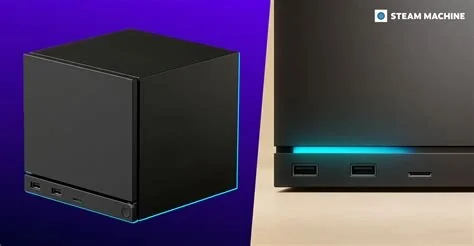
Valve’s upcoming Steam Machine promises desktop‑class performance in a living‑room console form factor, featuring a six‑core Zen 4 CPU, a custom RDNA 3 GPU, 8 GB GDDR6 VRAM and 16 GB DDR5 RAM. The company still targets a first‑half launch but has withheld a final price, leaving you to wonder about affordability until the official announcement.
Confirmed Specs and Performance
The new Steam Machine is built around AMD’s latest Zen 4 architecture, delivering six cores and twelve threads that handle modern game engines with ease. Its semi‑custom RDNA 3 graphics chip packs 28 compute units, offering more than six times the performance of the Steam Deck while staying within a compact chassis.
CPU and GPU Details
CPU: Six‑core Zen 4 processor, 12 threads, base clock 3.5 GHz.
GPU: Custom RDNA 3 unit, 28 compute units, 8 GB GDDR6 memory.
Memory and Storage
The system includes 16 GB of DDR5 system RAM, ensuring smooth multitasking and rapid load times. While Valve hasn’t confirmed storage options, the architecture supports NVMe SSDs, which should let you install large game libraries without bottlenecks.
Launch Timeline and Pricing Uncertainty
Valve reiterated that the hardware will arrive in the first half of the year, but no exact shipping date has been set. The price tag remains a mystery; internal signals suggest a range that could sit between $500 and $800, depending on final component costs. This uncertainty means you’ll need to keep an eye on official updates before budgeting.
Impact on Gamers and Developers
If the Steam Machine lives up to its specs, it could become the go‑to platform for players who want the full Steam library on a TV without dealing with driver quirks. For developers, a standardized hardware target simplifies optimization, potentially reducing the fragmentation that plagues PC releases.
Developer Perspective
“From a developer’s standpoint, the hardware specs are impressive enough to run most modern titles at 4K 60 fps without a GPU bottleneck,” says a senior graphics engineer at a mid‑size game studio. “What matters most is the consistency of the platform. If Valve can lock down a stable driver stack and provide clear performance baselines, we’ll be able to optimize for a single target rather than juggling dozens of PC configurations.” The same source notes that pricing will dictate how many indie studios can certify their games, with a $600‑$700 bracket likely encouraging a healthy mix of AAA and indie titles.
Steam Frame VR Headset Outlook
The Steam Frame VR headset is slated to launch alongside the Steam Machine, creating a full‑stack solution that covers console gaming, PC performance, and virtual reality. A synchronized release could give you a unified ecosystem, positioning Valve against competitors in the VR space.
What to Watch For Next
Stay tuned to Valve’s official channels for the next update. Key signals to monitor include a confirmed launch date, final pricing, and any software‑level announcements that could affect game compatibility. The next few weeks will reveal whether the Steam Machine truly bridges the gap between PC modability and console simplicity, or if it becomes another niche experiment.