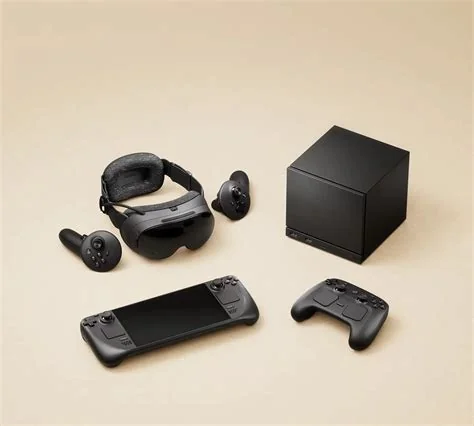
Valve’s Steam Machine desktop PC and the Steam Frame VR headset have been pushed to early 2026 because of a worldwide DRAM shortage. The shortage forces Valve to reevaluate component sourcing, production costs, and final pricing, delaying the launch and leaving the exact price and specifications still unconfirmed. Gamers and developers are now awaiting further details on how the delay will affect the ecosystem and market competition.
What Caused the Delay?
Global DRAM Shortage Impact
The primary reason for the postponement is a global shortage of DRAM modules. Elevated demand from data‑center servers, geopolitical supply‑chain disruptions, and limited fab capacity have driven memory prices to multi‑year highs, forcing Valve to reassess its bill of materials and overall cost structure.
Official Statements from Valve and Partners
Valve’s Position
Valve announced that it must “revisit our exact shipping schedule and pricing” for both the Steam Machine and Steam Frame. The company emphasized that the delay is not due to technical issues but to the need for a sustainable component strategy.
AMD Confirmation
During a recent earnings call, AMD CEO Dr. Lisa Su confirmed that AMD’s support for the hardware remains on track for an early 2026 launch, underscoring that the supply‑chain constraint is industry‑wide.
Background of the Steam Machine and Steam Frame
Vision and Ecosystem
The Steam Machine was introduced as a bridge between PC flexibility and console simplicity, intended to work alongside the Steam Deck handheld and Steam Controller. The Steam Frame VR headset was designed to provide a turnkey virtual‑reality experience that integrates seamlessly with the desktop platform.
Market Implications
Consumer Expectations
Early adopters who pre‑ordered or expressed interest may reconsider if the final price exceeds that of competing consoles or high‑end gaming PCs.
Competitive Landscape
A later launch gives incumbents such as Sony’s PlayStation and Microsoft’s Xbox additional time to strengthen their VR and streaming strategies, potentially shifting market dynamics.
Supply‑Chain Signals
Valve’s public acknowledgment of the RAM shortage highlights a structural issue that could affect upcoming product cycles across the gaming hardware sector.
Developer Considerations
Game developers planning to optimize titles for the Steam Frame’s VR capabilities may need to adjust roadmaps, potentially delaying VR releases or shifting focus to other platforms.
Industry Perspective
Cost and BOM Concerns
Hardware integrators note that the memory shortage forces a re‑evaluation of bill‑of‑materials costs, which can push the final retail price out of the sweet spot for mainstream gamers.
Retail and Stock‑piling Risks
Retail partners warn that unpredictable component lead times make stock‑piling strategies riskier, suggesting Valve may need to secure larger memory allocations well in advance to meet the early‑2026 target.
Outlook and Next Steps
Potential Pricing and Specs
While Valve has not disclosed a firm price, the alignment with AMD’s early‑2026 timeline indicates continued commitment. Future announcements will clarify whether the devices will launch with the originally promised specifications or a revised configuration that mitigates the memory shortage.
DRAM Capacity Outlook
DRAM manufacturers plan capacity expansions later in the year, offering cautious optimism that pricing pressure may ease, allowing Valve to finalize its cost model without compromising performance.