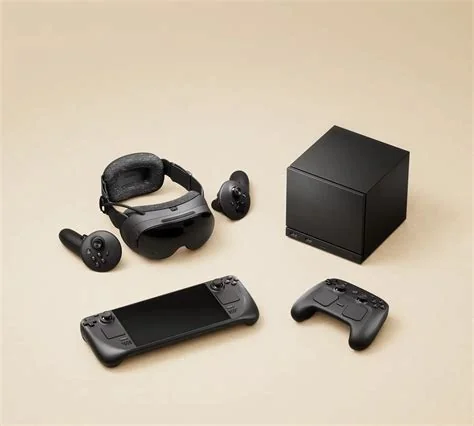
Valve’s Steam Machine has hit a new roadblock: a global shortage of DRAM and NAND storage is pushing the launch further out and leaving pricing uncertain. The memory crunch forces Valve to rethink its component sourcing, which means the console‑style PC may arrive later than fans hoped, with potential cost implications for you.
What’s Causing the Delay?
The semiconductor market is currently grappling with a “memory crisis.” Demand for high‑capacity RAM and fast SSDs far outpaces supply, and Valve’s engineering team can’t secure enough DDR5 modules or NAND chips without inflating costs. Without a stable pipeline, the company must pause production and revisit its schedule.
Impact on Pricing and Specs
If Valve decides to absorb the higher component costs, the Steam Machine could end up as a premium‑priced device, targeting hardcore gamers who expect top‑tier performance. Alternatively, a lower price point might require scaling back RAM capacity or storage speed, which could dilute the experience for players accustomed to high‑end PC specs.
Potential Scenarios for Gamers
- Premium Model: Full‑spec hardware with 16 GB+ DDR5 and fast NVMe storage, likely carrying a higher price tag.
- Budget Model: Reduced memory and slower storage to keep costs down, but with possible compromises in load times and visual fidelity.
Broader Implications for Console‑PC Hybrids
The delay highlights how even industry giants aren’t immune to supply‑chain volatility. It may shift expectations for other hybrid devices, pushing casual gamers toward established consoles while encouraging developers to optimize games for a wider range of hardware configurations.
Industry Insight
Hardware integrators who have worked with Valve confirm that securing 16 GB or more of DDR5 at scale can add several hundred dollars to a bill of materials. The lack of a reliable NAND supply also makes it tough to guarantee the fast storage speeds modern games demand, meaning a competitively priced, performance‑ready Steam Machine remains a tall order.
What to Watch Next?
Keep an eye on the memory market; any easing of DRAM or SSD shortages could let Valve firm up its launch timeline and pricing. In the meantime, you might want to explore existing PC‑gaming setups or traditional consoles while waiting for the next wave of component shipments to arrive.