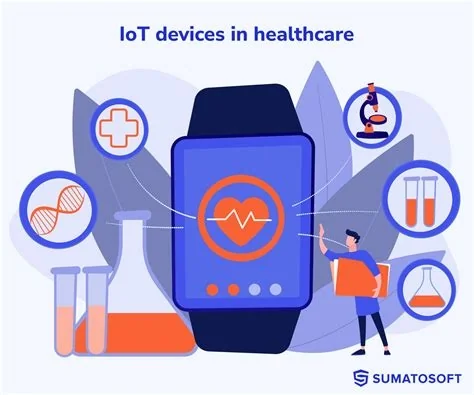
The new ultra‑compact 5G receiver chip slashes interference, letting IoT sensors stay connected longer while shrinking their hardware footprint. By tolerating noisy radio environments, the chip cuts power‑hungry retransmissions, so a single battery can last months instead of weeks. Manufacturers can now pack more functionality into smaller enclosures, and you’ll see longer‑lasting, lower‑maintenance smart devices across factories, cities, and wearables.
Why the Chip Redefines IoT Connectivity
Traditional IoT setups push most data to the cloud, creating latency bottlenecks and draining power. This tiny chip changes the game by keeping the radio link alive longer, which means devices spend less time shouting and more time sleeping. The result is a dramatic boost in reliability for sensors that operate in crowded spectrum zones.
Extended Battery Life
Because the chip tolerates interference, devices no longer need frequent retransmissions. Fewer retransmissions translate directly into lower energy consumption, extending battery life from weeks to months. Imagine a bridge‑mounted air‑quality sensor that can run for a full year without a battery swap—that’s the new reality.
Reduced Device Footprint
The chip’s miniature size lets engineers trim the overall dimensions of 5G‑enabled gadgets. No longer do you need bulky antenna arrays or extra shielding to fight signal noise. This opens the door for ultra‑small wearables and densely packed sensor networks where space is at a premium.
Implications for Edge Computing and Fog Architecture
With a more resilient radio link, edge nodes can handle more processing locally. The stronger connection means fog‑computing layers can shift workloads closer to the sensor, reducing dependence on distant cloud servers. This not only speeds up response times but also eases network traffic.
Simpler Hardware Design
Design teams can now allocate less silicon to error‑correction circuits and more to core sensing or AI inference. The chip’s robustness cuts the bill of materials while boosting overall device reliability—two goals that often clash in traditional designs.
Software Stack Adjustments
IoT management platforms will need to recognize the chip’s capabilities. You can dial back aggressive retransmission protocols, letting software focus on higher‑level analytics instead of constantly fighting flaky links. This shift streamlines firmware updates and reduces maintenance overhead.
Future Opportunities and Market Impact
The chip paves the way for ultra‑low‑power sensor deployments, from wearable health monitors to sprawling environmental grids. As you scale up sensor density, the interference‑tolerant receiver ensures each node can operate autonomously for longer periods, cutting operational costs and accelerating adoption of truly pervasive IoT ecosystems.