
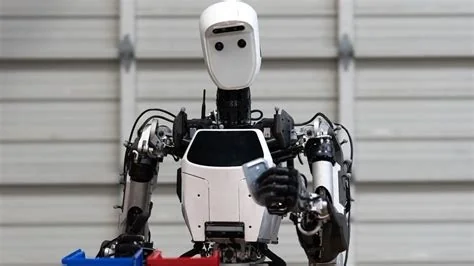
The United States is fast‑tracking humanoid labor robots from lab prototypes to everyday use, with major manufacturers pledging tens of thousands of units for homes and warehouses within the next few years. Companies like Tesla and 1X are pouring billions into production lines, promising affordable, safe assistants that can handle chores, inventory tasks, and even basic security for you.
Why Humanoid Robots Are Gaining Momentum
Labor productivity has hit a plateau, and wages for repetitive warehouse work remain high. Businesses are looking for a solution that cuts costs without sacrificing speed, and humanoid robots fit that niche perfectly. You’ll notice that these machines can operate around the clock, reducing downtime and minimizing human error.
Major Investments and Production Plans
Industry leaders have committed massive capital to bring humanoids to market:
- Tesla is converting its Fremont plant into a dedicated Optimus line, allocating $20 billion for mass production.
- 1X secured a partnership to manufacture 10,000 NEO units aimed at commercial deployment.
- Big‑tech firms collectively invested over $370 billion in AI infrastructure, a portion of which now funds physical robot development.
Key Financial Backing and Market Size
The surge in AI‑related spending is spilling over into hardware. Funding for autonomous‑robot startups topped $7 billion last year, and an additional $17.9 billion has already flowed in this quarter. This financial tide is accelerating the shift from experimental rigs to market‑ready products.
Cost Comparison with Human Labor
When you factor in depreciation and maintenance, a modern humanoid can be run for roughly $10‑12 per hour, which is 40‑60 % of the average warehouse wage of $30 per hour. That gap translates into significant savings for companies willing to adopt the technology.
Consumer Impact and Future Pricing
While early units command a subscription price of $500‑$1,500 per month, the rapid price erosion seen in other tech cycles suggests that household‑grade robots could soon cost as little as a premium appliance. Imagine a robot that brews coffee, folds laundry, and monitors your home security—all for a fraction of current subscription fees.
Potential Use Cases at Home
- Automated cleaning and floor maintenance.
- Assistance with cooking and meal preparation.
- Real‑time home security monitoring.
- Companionship for seniors and individuals with limited mobility.
Industry Experts Weigh In
Technology Advances Driving Adoption
Today’s humanoids blend reinforcement learning, computer vision, and real‑time balancing to navigate unpredictable environments. Safety sensors now meet collaborative‑work standards, and adaptive behaviors replace rigid, scripted motions. Logistics managers report that integrating these robots has cut order‑picking times by about 15 % while also lowering workplace injuries.
What This Means for You
If supply chains keep pace, you could soon welcome a robotic assistant into your living room, freeing up time for creative or supervisory tasks. The challenge will be ensuring that workers receive upskilling opportunities as robots take over repetitive duties. The next year will reveal whether the market can balance rapid innovation with responsible workforce transition.


