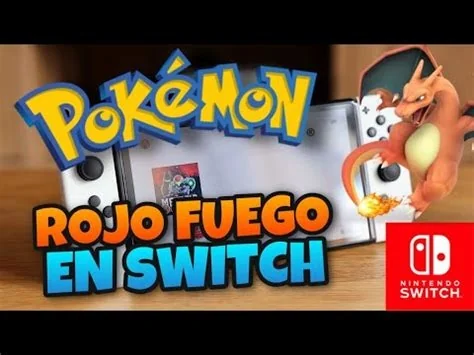
Yes, the long‑awaited ports of Pokémon Red Fire and Pokémon Green Leaf are likely heading to the Nintendo Switch, and they could even debut alongside the upcoming Switch 2. Nintendo plans to use the anniversary buzz to bring the enhanced Game Boy Advance remakes to modern hardware, offering widescreen visuals, updated controls, and quality‑of‑life upgrades for both new and veteran players.
Why Nintendo Is Targeting These Classics Now
Celebrating three decades of pocket monsters, Nintendo wants to tap into the nostalgia wave while keeping the franchise fresh. By reviving titles that already serve as the definitive entry point for many fans, the company can attract players who missed the originals and give longtime trainers a reason to revisit Kanto on a console they already own.
Legacy Appeal and Anniversary Momentum
The original Red Fire and Green Leaf added richer storylines and the ability to battle the Elite Four in a single run. Their status as fan favorites makes them perfect candidates for a high‑visibility launch that aligns with the anniversary celebrations.
Technical Fit for the Switch Platform
The Switch’s hybrid design easily handles the 2D assets from the Game Boy Advance era. Developers can reuse the engine from the 2016 Pokémon Sun & Moon remaster, which already supports widescreen and dual‑screen modes, keeping costs low while delivering a polished experience.
What the Ports Could Offer on Modern Hardware
- Widescreen UI: Full‑screen play without letterboxing.
- Joy‑Con Controls: Optimized button mapping for handheld and docked modes.
- Save‑State Support: Quick saves that weren’t possible on the original hardware.
- Cloud Saves: Seamless progress syncing across devices.
- Optional Enhancements: Higher frame rates or subtle visual effects on the rumored Switch 2.
Potential Pricing and Bundle Options
While exact pricing remains unconfirmed, Nintendo typically sells classic ports as individual titles to maximize revenue per unit. However, a “Kanto Classics” bundle could appeal to collectors, especially if it includes exclusive in‑game items or a commemorative art book.
Developer Insights on Porting Classic Pokémon
From a developer’s perspective, preserving the original experience while meeting today’s performance expectations is a balancing act. You’ll notice smoother animations, a UI that scales cleanly on both handheld and docked modes, and added conveniences like cloud saves that were unheard of back in 2004.
What This Means for Fans and Future Releases
If the ports launch as expected, they could set a precedent for more retro Pokémon titles—think Pokémon Crystal or the original Red and Blue—to receive Switch upgrades. This strategy reinforces Nintendo’s “retro‑first” approach, filling gaps between new IP releases and proving that well‑executed ports can be just as lucrative as brand‑new games.
So, are you ready to explore Kanto on a modern console? The answer may arrive sooner than you think.