
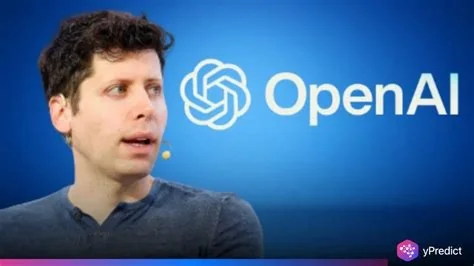
OpenAI just brought Peter Steinberger, the creator of the OpenClaw agent framework, on board to lead its next generation of autonomous AI agents. The move signals a faster push toward personal assistants that can act without constant prompts, giving developers a more flexible, open‑source‑backed toolkit. This addition positions OpenAI to accelerate research and product development while tapping into a vibrant open‑source community.
Why the Hire Matters for Autonomous AI
Steinberger’s expertise in building production‑ready, community‑driven agent stacks gives OpenAI a proven foundation. By integrating OpenClaw, the company can let you plug any large language model into a loop that calls APIs, manages memory, and executes tasks unattended.
OpenClaw’s Core Capabilities
- Continuous operation: agents run 24/7 without manual triggers.
- API integration: seamless calls to external services and messaging platforms.
- System‑level permissions: agents can access files and execute code safely.
Strategic Benefits for Developers
Keeping OpenClaw open source creates a feedback loop where you can build custom extensions while leveraging OpenAI’s resources. Expect tighter integration with GPT‑4‑Turbo, improved safety tooling, and easier monitoring of autonomous actions.
Safety and Guardrails
Autonomous agents raise privacy and misuse concerns. OpenAI says it will embed robust guardrails, limiting unintended actions and protecting data while still allowing agents to perform complex workflows.
What This Means for the AI Landscape
The hire intensifies the competition among AI labs racing to commercialize end‑to‑end agents. With OpenClaw under OpenAI’s umbrella, the company can attract more developers, accelerate innovation, and set new standards for reliable, usable AI assistants.
Next Steps for the Community
Developers who already use OpenClaw should watch for migration guides and new SDK releases. By contributing to the open‑source foundation, you’ll help shape the next wave of personal agents that can manage emails, schedule meetings, and run code with minimal oversight.


