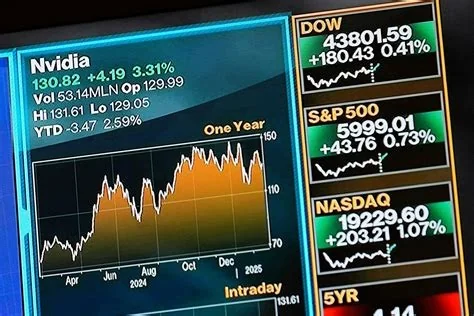
Nvidia just reported a record $68.1 billion revenue for its fourth quarter, beating analysts by a wide margin. The surge reflects a 20 % quarterly jump and a 73 % year‑over‑year rise, driven by soaring demand for its data‑center GPUs. Yet the stock fell more than 5 % after hours, signaling investor caution despite the earnings beat.
Revenue Growth Details
Quarterly Numbers
The company posted $68.1 billion in total revenue, up 20 % from the previous quarter. Data‑center sales, led by the H100 and newer Hopper‑based chips, accounted for the bulk of the increase. Enterprise cloud providers continue to load up on Nvidia GPUs to train large language models and power AI services.
Year‑Over‑Year Comparison
Year‑over‑year, revenue jumped 73 %, underscoring how quickly AI workloads have become a core part of the tech ecosystem. If you follow the trend, the demand curve looks steep, but sustaining that pace will require constant innovation.
Stock Market Reaction
Despite the earnings beat, Nvidia’s shares slipped more than 5 % by the close of trading. Investors appear to be pricing in the risk that growth may slow once the AI hype settles. The sell‑off shows that the market is no longer taking the earnings report at face value; it’s scrutinizing the sustainability of the surge.
Future Outlook
Nvidia forecast a strong start to the next quarter, projecting revenue that tops analyst estimates. However, the guidance came with a cautious tone, hinting that the company expects competitive pressure to intensify. You’ll want to watch how quickly rivals can close the AI‑chip gap, as that could shape Nvidia’s trajectory.
Industry Impact
- Cloud giants such as AWS, Azure, and Google Cloud have long‑term contracts for Nvidia GPUs, reinforcing the chipmaker’s market position.
- Competitors like AMD and Intel are accelerating their AI‑chip roadmaps, aiming to chip away at Nvidia’s dominance.
- Start‑ups building AI models may see rental prices ease if supply outpaces demand, potentially lowering training costs.
Investor Takeaways
The earnings report confirms that Nvidia’s core data‑center business remains robust, but the stock dip reminds you that high growth expectations are already baked into the price. If the next quarter’s growth eases even slightly, the correction could be swift. Investors should balance the upside of a market leader with the risk of a more measured AI expansion.