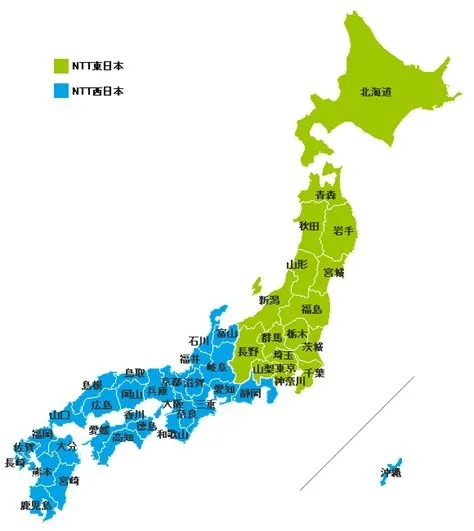
NTT East Japan is upgrading its Multi Interconnect service with cloud‑integration, direct internet routing, and mobile backhaul capabilities, letting enterprises control MPLS, cloud, internet, and mobile traffic from a single pane‑of‑glass. The new modules roll out throughout 2026‑27, aiming to cut both capex and opex while simplifying network management for your operations.
Why the Upgrade Matters
Enterprises today juggle private data centers, public clouds, and mobile endpoints. Managing each connection separately creates overhead, slows migrations, and inflates costs. By embedding inter‑working functions directly into Multi Interconnect, NTT East Japan gives you a unified control plane that eliminates the need for multiple contracts.
New Cloud‑Integration Module
This first‑phase feature maps traffic to major public‑cloud providers—AWS, Azure, and Google Cloud—using the same logical circuits that already carry MPLS or Ethernet services. The result is a seamless extension of your existing WAN into the cloud without a separate VPN or dedicated link.
Internet Access Extension
The upcoming Internet Access layer lets you route internet‑bound traffic through policy‑driven paths, bypassing traditional peering bottlenecks. You can prioritize critical SaaS applications, apply security policies centrally, and avoid the latency spikes that often accompany fragmented internet connections.
Mobile Backhaul Inter‑Work Layer
NTT’s mobile‑line integration treats 4G/5G circuits as first‑class extensions of your wired network. With built‑in QoS controls, you can guarantee performance for mobile‑heavy workloads—think IoT sensors or field‑office applications—while managing them alongside MPLS and cloud traffic from a single dashboard.
Business Benefits
- Cost Reduction: Fewer routers and ISP relationships lower both capital and operating expenditures.
- Speed to Market: Consolidated contracts shave weeks off provisioning and migration projects.
- Simplified Billing: One contract line replaces multiple invoices, easing financial tracking.
- Scalability: You can add or shift workloads across on‑prem, cloud, and mobile layers without renegotiating contracts.
Competitive Landscape
Other Japanese carriers have introduced integrated SD‑WAN bundles, but NTT East Japan leverages its extensive fiber backbone and strong service‑level agreements. This combination may push rivals to tighten pricing while raising the overall reliability bar for enterprise WAN services.
Talent Advantage
NTT East Japan invests heavily in engineering talent, offering competitive compensation and career‑development pathways. That focus ensures the company has the expertise needed to deliver sophisticated orchestration across its new service layers, keeping performance and support quality high.
Implementation Timeline
Beta testing of the cloud‑integration module starts with select key accounts in Q3 2026, followed by a commercial launch in Q4 2026. The internet and mobile extensions are slated for early 2027, giving customers a clear roadmap to a fully integrated WAN within the next 12‑18 months.
Bottom Line
For IT teams that are tired of juggling separate MPLS, cloud, internet, and mobile contracts, NTT East Japan’s enhanced Multi Interconnect offers a true “one‑stop shop.” If the rollout stays on schedule and pricing remains transparent, you could see a noticeable boost in network agility and a dip in total cost of ownership.