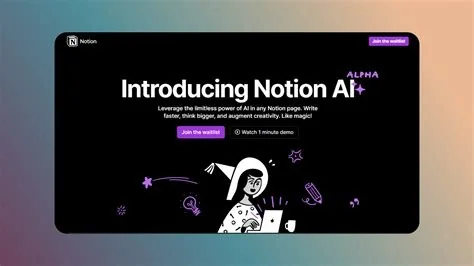
Notion just rolled out Custom Agents, an autonomous AI teammate that can trigger actions across Notion, Slack, email, calendars and other tools without waiting for a prompt. The agents run on triggers like new messages or scheduled times, letting you automate routine work 24/7 and free up your team for higher‑value tasks.
How Custom Agents Work
Custom Agents differ from the personal Notion AI in three core ways:
- Proactive execution – agents fire automatically based on schedules, Slack chats, emails or database changes.
- Scoped permissions – admins grant each agent access only to the Notion pages, databases or third‑party tools it needs, tightening security.
- Shareability – unlike a personal assistant, a Custom Agent can be shared with individuals, teams or an entire workspace.
All agents consume Notion Credits; during the public beta the credits are free, and a usage‑based pricing model will apply once the beta ends.
Real‑World Use Cases
Early adopters show how a single, narrowly scoped agent can handle a specific job.
- Q&A agents – teams deploy agents that act as a “Product Oracle,” answering routine product questions by pulling from existing knowledge bases.
- Task routing agents – an agent captures support requests, enriches them with context, logs them, and nudges the right owner to act, saving dozens of hours each week.
- Status‑compilation agents – agents gather project updates, compile them into a shared Notion page, and push a daily summary to a Slack channel.
The key is the “one agent, one job” principle: the tighter the scope, the more reliable the output.
What This Means for Your Productivity Stack
For organizations already using Notion, embedding AI‑driven automation directly into the workspace can cut reliance on external bots or custom scripts. By sitting at the intersection of communication and knowledge management, agents tackle two major friction points for modern teams.
Don’t let repetitive tasks drain your team’s energy—let an agent handle them.
However, agents still need a solid data foundation—well‑structured databases, clear naming conventions and reliable APIs. Think of Custom Agents as the final layer that amplifies a mature Notion setup.
From a security angle, the scoped permission model keeps the attack surface small, addressing common concerns about over‑privileged AI assistants.
Practitioner Insights
Emily Chen, senior operations manager, reported that her IT routing agent now handles every first‑line support ticket, pulling policy snippets from Notion and assigning the ticket without human input. The change shaved response times by roughly 30 % and let the support staff focus on higher‑value work.
Another team highlighted that their “Product Oracle” agent fields repetitive roadmap questions, freeing product managers to concentrate on strategic discussions.
Looking Ahead
Custom Agents signal Notion’s bet that AI can move from on‑demand assistance to a persistent workflow partner. By offering a low‑friction way to automate repetitive tasks, Notion positions itself against dedicated automation platforms while keeping everything inside its data ecosystem.
The beta runs for a limited time, after which usage‑based Notion Credits will drive costs but seat pricing stays the same. If you’re ready to let a bot handle the mundane, you can start building agents today and let your team focus on creative work.