
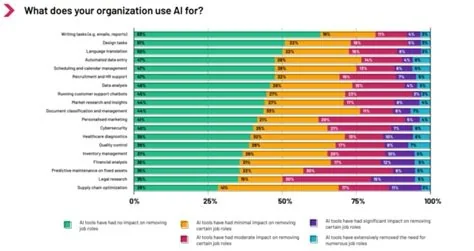
Microsoft says its next‑generation AI could automate most white‑collar tasks within a year and a half. The company’s chief AI officer predicts that lawyers, accountants, marketers and other knowledge workers will see core duties handed over to AI agents as quickly as twelve months. If you rely on traditional workflows, you’ll need to rethink how you add value.
Microsoft’s Bold AI Timeline
Key Milestones
- 12‑18 months: AI agents handle contract drafting, ledger reconciliation, and marketing copy generation.
- Year‑long rollout: Enterprises can create custom models as easily as publishing a podcast.
- Infrastructure boost: Massive cloud upgrades support the new foundation model.
Why This Forecast Stands Out
Earlier estimates suggested automation would take several years to affect entry‑level roles. Microsoft compresses that horizon, arguing its “professional‑grade AGI” will be ready far sooner. The confidence stems from rapid adoption of large‑language‑model tools across Fortune‑500 firms and a dedicated investment plan that fuels model development.
Immediate Workforce Implications
If AI can draft contracts, reconcile accounts and generate ad copy with minimal oversight, companies may cut headcount or shift staff to oversight roles faster than traditional retraining programs can keep up. You’ll likely see a surge in demand for employees who can manage and audit AI outputs rather than perform routine tasks.
Market Impact and Competitive Landscape
Enterprises looking to embed AI into compliance, risk management or client‑facing processes may gravitate toward Microsoft’s Azure stack, especially if the promised models deliver on efficiency claims. Competitors such as Amazon and Meta are also accelerating AI‑driven automation, hinting at a broader industry shift toward leaner workforces.
Governance and Reliability Concerns
Microsoft has hired seasoned quality‑control leaders to address model reliability, bias and potential code errors. Regulators could soon scrutinize the speed of deployment, particularly if large‑scale job displacement becomes evident within the projected window.
Practitioner Insight
A senior accountant at a mid‑size firm notes, “We’ve already integrated AI tools for routine reconciliations, and the time saved is real. If those tools start drafting financial statements or handling audit queries, the role of a human accountant will shift from execution to oversight.” This perspective underscores the tension between efficiency gains and job security.
Bottom Line
Microsoft’s announcement isn’t just hype; it signals a strategic belief that its AI stack will be ready to replace a large swath of professional work within 12‑18 months. Whether the market, regulators and the workforce can adapt quickly enough remains the big unanswered question.


