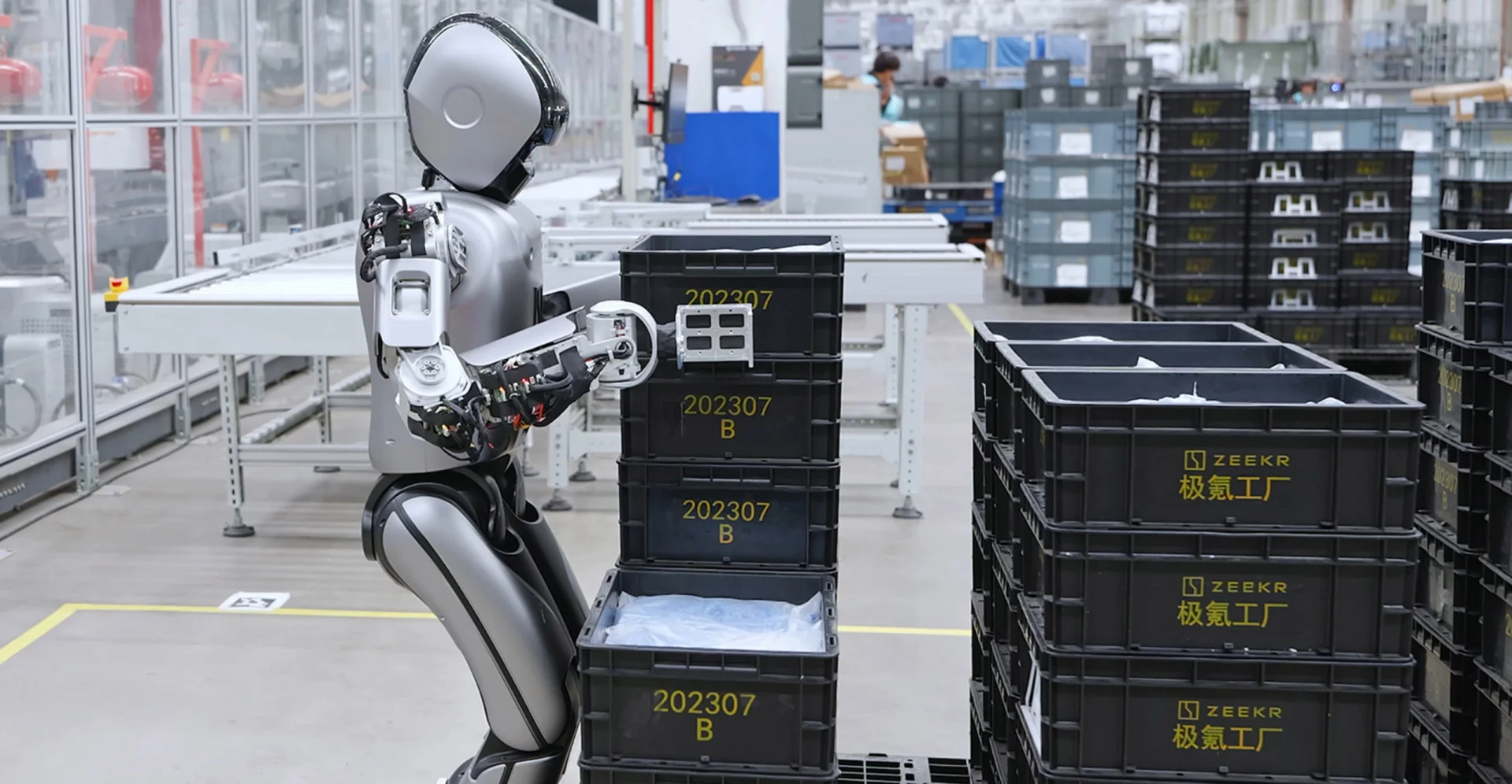
The IMF’s managing director warns that artificial intelligence could eliminate roughly 40 % of jobs worldwide, with entry‑level roles bearing the brunt. If the current trajectory continues, low‑skill, white‑collar positions may disappear within a decade, reshaping hiring practices and prompting urgent upskilling for millions of workers and forcing companies to rethink talent strategies.
Why AI Threatens Entry‑Level Positions
Automation of Routine Tasks
AI excels at repetitive analysis, data‑scrubbing, and basic reporting—tasks that traditionally filled junior roles. When machines handle these functions faster and cheaper than interns, employers often cut headcount instead of expanding teams.
Reduced Need for Manual Labor
Many entry‑level jobs involve predictable workflows that generative models can replicate. As a result, the demand for human hands on simple processes dwindles, leaving a talent gap for mid‑level positions that require deeper expertise.
Potential Economic Ripple Effects
Shifts in Labor Demand
With fewer low‑skill roles, the pipeline feeding higher‑skill talent may dry up. Companies could turn to contract workers, gig platforms, or offshore talent to fill gaps, while regions that rely heavily on entry‑level employment might face heightened income inequality.
Impact on Consumer Spending
When a large share of the workforce loses stable income, discretionary spending contracts, which can slow growth across retail, hospitality, and other service sectors.
How Companies Are Responding
Upskilling Initiatives
Forward‑looking firms are launching internal bootcamps that pair senior experts with recent graduates. These programs teach prompt engineering, model validation, and ethical AI use, helping employees transition from routine execution to strategic oversight.
Redesigning Job Roles
Rather than eliminating positions outright, some organizations are redefining roles to focus on interpreting AI outputs, building custom dashboards, and ensuring compliance. This hybrid approach preserves human judgment while leveraging automation.
What You Can Do to Stay Relevant
Focus on Human‑Centric Skills
AI struggles with creativity, empathy, and complex problem‑solving. Strengthening these areas—through storytelling, negotiation, or interdisciplinary projects—makes you harder to replace.
Embrace Continuous Learning
Commit to regular skill upgrades. Learning to work alongside AI tools, such as prompt crafting or data‑visualization, can turn a potential threat into a career advantage.
- Learn AI basics: Understand how generative models function and where they excel.
- Develop analytical thinking: Focus on interpreting results rather than just generating them.
- Build soft‑skill expertise: Practice communication, leadership, and emotional intelligence.
- Seek cross‑functional projects: Show you can collaborate across departments and add strategic value.
By taking these steps, you’ll position yourself for the jobs that AI can’t replicate, ensuring you remain a valuable asset in a rapidly evolving workplace.