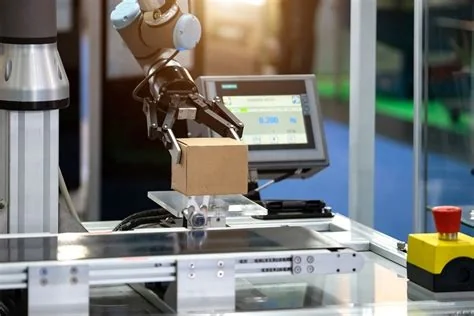
Hyundai Motor Group is committing roughly $38 billion over the next decade to build a massive AI, hydrogen, and robotics hub in Saemangeum, North Jeolla Province. The initiative bundles a cutting‑edge AI data center, a humanoid robot factory, and a hydrogen‑fuel production line, aiming to supercharge vehicle development, slash labor costs, and keep South Korea competitive in the fast‑moving auto sector.
Hyundai’s $38 Billion AI, Hydrogen, and Robotics Commitment
The pledged investment dwarfs typical automotive R&D budgets, positioning Hyundai at the forefront of next‑generation manufacturing. By funneling funds into a single, vertically integrated complex, the company plans to accelerate innovation cycles and create a self‑sustaining ecosystem for AI‑driven analytics, advanced robotics, and clean‑energy production.
Scale and Scope of the Saemangeum Hub
Spanning hundreds of acres, the Saemangeum hub will host three core pillars: a massive AI data center, a high‑throughput robot assembly line, and a dedicated hydrogen generation facility. Together they form a testbed where digital twins, autonomous logistics, and zero‑emission power can be validated side by side.
Why Hyundai Is Accelerating AI and Hydrogen
Global rivals have already deployed AI‑powered vehicles and hydrogen‑fuel solutions, prompting Hyundai to close the gap. The company recognizes that AI can shave months off development timelines, while hydrogen offers a pathway to carbon‑neutral mobility. This dual focus reflects a strategic shift from incremental upgrades to transformative technology adoption.
Competitive Pressure from Global Rivals
Manufacturers such as Tesla and leading Chinese firms have rolled out humanoid robots and self‑driving fleets. Hyundai’s accelerated spend signals that it will no longer trail the AI race but instead set its own benchmark for integrated, AI‑enabled production.
Key Components of the Saemangeum Hub
Each pillar of the hub serves a distinct purpose, yet they interlock to create a seamless workflow from data capture to vehicle assembly.
AI Data Center – The Nation’s Largest Vehicle‑Telemetry Repository
The data center will aggregate real‑time telemetry from Hyundai’s global fleet, manufacturing logs, and smart‑factory sensors. By housing this wealth of information in a single, high‑performance environment, the company can train sophisticated AI models faster than ever before.
Atlas‑Style Robot Factory – Boosting Assembly Efficiency
Inspired by advanced humanoid platforms, the robot factory will deploy machines capable of handling complex assembly tasks. The goal is to triple productivity per worker, cutting cycle times and reducing error rates across the production line.
Hydrogen Production – Powering Fuel‑Cell Vehicles and Industry
On‑site electrolysis will generate hydrogen for both Hyundai’s fuel‑cell models and local industrial users. This creates a closed‑loop supply chain, lowering transport costs and reinforcing South Korea’s clean‑energy ambitions.
Potential Impact on the Automotive Landscape
Hyundai’s mega‑investment could reshape market dynamics, prompting rivals to rethink their own technology roadmaps.
Productivity Gains and Cost Savings
- AI‑driven analytics accelerate design cycles, potentially cutting development time by up to 30%.
- Humanoid robots increase assembly line efficiency, aiming for a three‑fold boost in output per shift.
- Hydrogen integration reduces reliance on fossil fuels, supporting a lower‑emission vehicle portfolio.
Spurring Industry‑Wide Innovation
The hub is expected to attract startups, research labs, and skilled talent, turning Saemangeum into a high‑tech corridor that benefits the broader Korean manufacturing ecosystem.
Challenges Ahead for Hyundai’s Ambitious Plan
Despite the bold vision, execution hurdles remain. Success hinges on rapid AI model training, robot reliability under high‑volume conditions, and the commercial viability of hydrogen fuel cells.
AI Training Speed
Training sophisticated AI models demands massive compute power and high‑quality data. If the data center cannot keep pace, projected time savings may fall short of expectations.
Robot Reliability
Humanoid robots must prove durability and precision in a demanding production environment. Early failures could erode confidence and delay rollout.
Hydrogen Market Viability
Hydrogen costs and infrastructure remain hurdles. Hyundai will need to achieve competitive pricing and secure a stable demand pipeline to justify the upfront spend.
Bottom Line: What This Means for You
For consumers, Hyundai’s $38 billion push promises faster access to AI‑enhanced vehicles and cleaner hydrogen‑powered options. For industry professionals, the Saemangeum hub signals a new era of integrated manufacturing where AI, robotics, and clean energy converge to reshape how cars are designed, built, and delivered.