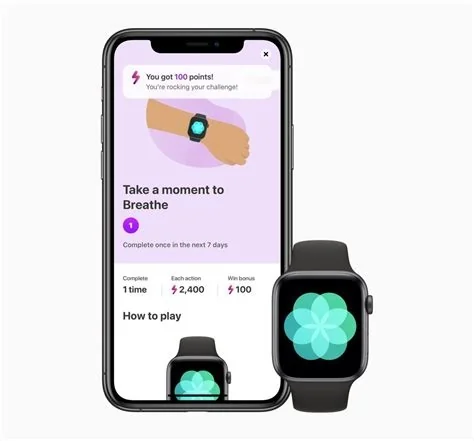
Singapore’s Health Promotion Board announced that the LumiHealth digital health programme will cease on 31 May. After six years and over 377,000 participants, the service will be discontinued and users are urged to migrate to the government‑run Healthy 365 app to continue tracking activity, sleep and mental‑wellness metrics without interruption. The transition aims to preserve the health habits built through LumiHealth’s gamified challenges.
What LumiHealth Delivered
LumiHealth used the native sensors of the iPhone and Apple Watch—heart‑rate monitoring, step counting, activity rings and sleep tracking—to create a gamified, data‑driven health journey. Participants received a series of “missions” that gradually increased physical‑activity targets while also offering mindfulness and sleep‑hygiene challenges.
Key results:
- Users who started with low baseline activity increased weekly exercise minutes by roughly 54 percent.
- 86 percent of participants reported regular engagement with the tasks, indicating strong adherence to the digital nudges.
Why the Programme Is Closing
HPB’s statement released in February explained that the closure aligns with the board’s broader digital‑health strategy. The decision consolidates wellness tracking under a single platform—Healthy 365—to streamline resources and provide a unified user experience. The original collaboration framework with Apple, which powered LumiHealth’s sensor integration, reached its predefined end, prompting HPB to refocus on its own ecosystem.
Transition to Healthy 365
Healthy 365, already embedded in Singapore’s national health‑promotion toolkit, offers similar tracking capabilities for steps, exercise, and sleep, though without the deep Apple‑watch integration of LumiHealth. HPB urges users to download Healthy 365 and import existing data where possible. The board also advises participants to redeem any pending e‑voucher incentives before the final day of the LumiHealth programme.
Implications for Singapore’s Digital‑Health Landscape
The shutdown highlights challenges of sustaining co‑branded health initiatives that rely on external technology partners. While Apple’s hardware enabled precise biometric data capture, dependence on a third‑party platform limited HPB’s long‑term scalability and data‑ownership flexibility.
Consolidating under Healthy 365 could enhance data integration across HPB’s various health‑promotion programmes, facilitating more holistic analytics and policy‑making. However, the loss of Apple‑specific features may affect engagement among iOS users accustomed to seamless sensor syncing.
Practitioners’ Perspective
Local public‑health practitioners have welcomed the move toward a single, government‑managed platform. Dr Lee Hsien Yong, senior health officer at HPB, noted that “a unified app allows us to streamline health‑promotion messaging and ensures that data collected aligns with national health objectives.”
Clinicians observed that participants who completed LumiHealth’s structured challenges reported higher confidence in managing daily activity and stress levels. The incremental goal‑setting approach helped previously sedentary individuals adopt regular exercise routines.
Looking Ahead
As the 31 May deadline approaches, HPB will continue to provide guidance on data migration, voucher redemption, and support channels. Users are encouraged to download Healthy 365 promptly to avoid any lapse in tracking.
The LumiHealth chapter may be ending, but its legacy—demonstrating how consumer technology can be harnessed for public‑health outcomes—offers valuable lessons for future digital‑health collaborations in Singapore and beyond.