With a single platform you can watch Japan’s major stock indices and receive instant disaster alerts, all updated in real time. The service pulls live price feeds, technical chart data, and seismic or weather warnings, letting you react to market moves and emergencies without switching tabs. It’s a game‑changing tool for investors and safety officers alike.
Unified Real‑Time Dashboard Overview
The new platform merges live market data with emergency information on one screen. Major indices such as the Nikkei, TOPIX, and JPX Nikkei 400 refresh every second, while technical indicators like sector contribution, P/E ratios, and short‑interest percentages appear automatically. Simultaneously, the dashboard displays up‑to‑the‑minute weather forecasts and earthquake alerts sourced from national agencies.
Key Features
- Instant stock updates: Prices and charts refresh in milliseconds, ensuring you never miss a swing.
- Technical analysis tools: Built‑in indicators let you assess valuation and market sentiment without extra plugins.
- Disaster alert integration: Real‑time seismic and weather data appear alongside market moves, so you can gauge risk instantly.
Why the Integration Matters
Japan’s markets are notoriously volatile, and the country sits on a major fault line. Investors need millisecond‑level price data, while companies require immediate disaster information to protect assets. By consolidating these streams, the platform cuts down on data‑gathering time, reduces decision‑making lag, and lowers the overall cost of staying informed.
Technology Behind the Service
The dashboard relies on push‑based communication like WebSocket and Server‑Sent Events. Live price feeds are pulled directly from exchange APIs, while weather and seismic updates arrive via standardized agency APIs. A backend ingest layer normalizes all inputs and pushes them to the front end, where they appear instantly on your device.
Impact on Investors and Risk Managers
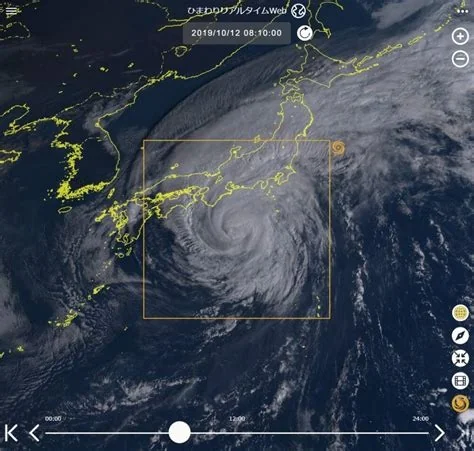
When a typhoon approaches, you can see logistics‑related stocks dip at the same moment the storm warning pops up, allowing you to hedge or rebalance on the fly. Risk officers can simulate portfolio exposure the instant an earthquake is reported, helping them trigger pre‑defined stop‑loss rules before losses deepen.
Practitioner Insights
Quantitative traders say overlaying macro news on price charts trims signal latency dramatically. Risk managers note that seismic alerts tied to portfolio dashboards let them act faster than ever before. Developers also appreciate the open APIs, which make it easy to build custom bots that push notifications to collaboration tools like Slack or LINE.
Challenges and Future Directions
Real‑time data is powerful, but accuracy and system resilience remain critical. False earthquake alerts could mislead trading decisions, so providers must implement double‑verification and AI‑driven filtering. As privacy regulations tighten, clear user consent and transparent data handling will become essential for continued adoption.
Conclusion
Having stock prices and disaster alerts side by side does more than add convenience—it boosts the speed and precision of every decision you make. This integrated ecosystem turns real‑time information into a strategic advantage, helping you protect both investments and safety in an increasingly unpredictable world.