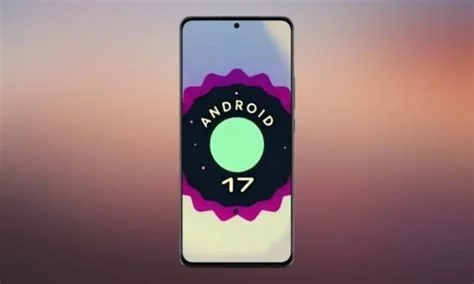
Google announced that Android 17 Beta 1, scheduled for release just days ago, has been pulled and is now listed as “coming soon.” The company gave no detailed explanation, leaving developers, OEMs, and enthusiasts waiting for a fresh build. This pause affects foldable‑first APIs, new Jetpack Compose features, and the overall rollout timeline.
Why Google Pulled Android 17 Beta 1
While Google hasn’t disclosed the exact cause, the timing suggests a last‑minute issue surfaced after the public announcement. Common reasons for such delays include regression bugs discovered in internal testing or compatibility problems with emerging foldable hardware. Without an official statement, the tech community can only infer that Google chose to regroup before exposing developers to potential flaws.
Possible Technical Reasons
- Regression in the graphics stack that could break rendering on new hinge sensors.
- Compatibility gaps with the latest foldable devices, risking a poor user experience.
- Unresolved privacy or AI‑driven feature bugs that need extra validation.
How the Delay Affects Developers
The postponement hits developers hard because the beta is meant to be a real‑world testing ground. Many have already integrated Android 17’s foldable‑first APIs, Jetpack Compose enhancements, and the revamped notification shade into their codebases. Without access to the beta, you’ll have to rely on emulators or wait for a later build, which could introduce unexpected integration challenges later on.
Foldable‑First APIs and Roadmaps
Android 17 is the first major release to ship APIs designed specifically for foldable devices. OEMs planning next‑gen foldables may need to shift their roadmaps, potentially delaying flagship launches. Developers targeting these devices must now adjust timelines and keep an eye on any updates that could affect UI scaling or hinge behavior.
Jetpack Compose and Notification Shade Integration
New Jetpack Compose components and a refreshed notification shade were slated for early testing. Teams that have already built prototypes will need to pause their QA cycles, re‑evaluate performance metrics, and possibly re‑architect parts of their apps once the beta finally arrives.
What Developers Can Do Now
While waiting for Google to release a clean build, you can still make progress. Test your apps on the latest Android 16 preview to catch most compatibility issues, even though it won’t expose the foldable‑specific APIs unique to Android 17. Keep monitoring the official Android Developers Twitter feed and the Android Developers blog for any sudden announcements.
Test on Android 16 Preview
Running your code on Android 16’s preview build helps identify general stability problems and ensures your app remains robust across the current stable channel. This approach won’t reveal the new foldable APIs, but it does provide a solid baseline before the Android 17 beta becomes available.
Stay Updated via Official Channels
Google typically posts rollout updates on its developer blog and social media. Bookmark these sources, enable notifications, and check your inbox regularly for any “coming soon” links. Being ready to download the beta the moment it’s released will minimize further delays in your development cycle.