
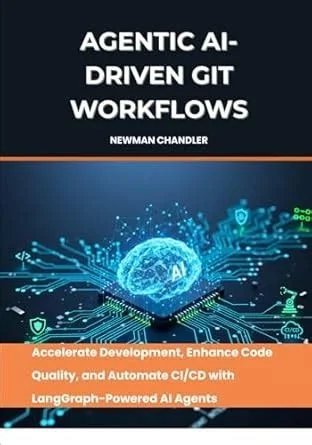
GitHub has rolled out Agentic Workflows, a preview feature that lets AI agents such as Copilot, Claude Code, or Codex run autonomously inside your CI/CD pipelines. The new class of GitHub Actions injects judgment‑driven automation into the delivery chain, letting you offload triage, documentation, or test‑coverage tasks without writing custom scripts. It’s designed for low‑risk scenarios while keeping a human in the loop.
Understanding Agentic Workflows
Agentic Workflows are a distinct type of GitHub Action where an AI model interprets a prompt and executes the requested operation inside a sandboxed container. You define the workflow in a markdown file, the GitHub CLI converts it to standard YAML, and the workflow fires on repository events such as new issues, pull‑request activity, or discussion updates.
How They Operate Within CI/CD
When a trigger fires, the selected AI agent receives the prompt—e.g., “triage open issues and add appropriate labels”—and runs inside an isolated environment. The agent can read repository contents, generate changes, and submit them back to the repo, but only through a controlled “secure output” channel that filters what gets written.
Security‑by‑Design Guarantees
Each agent runs with read‑only repository access by default, and firewall rules isolate the container from external networks. The “secure output” subsystem ensures that only vetted modifications reach the codebase, reducing the risk of an unchecked AI command. This model is safer than granting an AI CLI unrestricted permissions.
High‑Impact Use Cases
- Issue triage – the agent scans new issues, infers labels, and assigns owners automatically.
- Documentation upkeep – by analyzing recent code changes, the agent spots outdated sections and suggests edits.
- Test‑coverage monitoring – it flags coverage gaps, proposes new tests, and can scaffold test stubs.
- CI failure analysis – after a build fails, the agent parses logs, pinpoints likely causes, and drafts a diagnostic comment.
Why Continuous AI Matters
Continuous AI positions AI‑driven judgment as a first‑class citizen alongside continuous integration (CI) and continuous delivery (CD). By embedding autonomous agents into the pipeline, GitHub aims to let you focus on strategic decisions while the AI handles repetitive, context‑aware tasks. This shift could reshape how development teams allocate engineering effort.
Best Practices for Early Adoption
Start with low‑stakes workflows—like auto‑labeling issues or generating documentation snippets. Keep a human reviewer in the loop until you’re confident the AI’s suggestions meet your quality standards. Leverage the read‑only defaults and the secure output filter to maintain control over what the agent can change.
Potential Challenges and Mitigations
Autonomous agents can misinterpret prompts, inject subtle bugs, or surface biased suggestions. Because the output originates from large‑language‑model predictions, you’ll need strong observability and auditability. Implement policies that require human approval for any AI‑generated changes that affect production code, and monitor the agent’s actions through logs and review comments.
Getting Started with Agentic Workflows
To experiment, visit the GitHub Actions Marketplace, select an AI provider, and create a markdown‑defined workflow file. Once the file is committed, the workflow will trigger on the events you specify. You’ll be able to provide feedback directly through issue comments, helping shape the final feature before it exits preview.


