Fujifilm has launched the Material X, an industrial inkjet printer designed for research‑and‑development applications. The machine delivers sub‑picoliter droplet control and high‑resolution patterning in a single unit, targeting semiconductor, display and biopharma manufacturing. By consolidating multiple steps into one device, Material X shortens development cycles, cuts costs, and opens new opportunities for high‑value material processing.
Material X Overview
Material X combines ultra‑fine droplet ejection with precise positioning to enable micro‑pattern formation on advanced substrates. Fujifilm’s inkjet expertise allows droplet volume control down to 0.1 pL, providing the accuracy required for intricate semiconductor and bio‑medical structures. The system integrates high‑speed material placement and high‑resolution imaging, reducing the need for separate equipment.
Fujifilm’s Strategic Shift
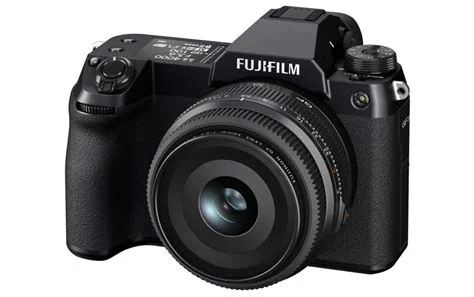
Historically known for film and cameras, Fujifilm has pivoted toward high‑margin sectors such as imaging, healthcare, biotechnology, and advanced materials. The introduction of Material X reinforces this transition by expanding the company’s footprint in the materials‑manufacturing arena and diversifying revenue beyond its core imaging business.
Impact on the Industrial Inkjet Market
Industrial inkjet printing offers a cost‑effective, flexible alternative to traditional photolithography, especially for low‑volume production and prototyping. Material X’s combination of sub‑picoliter precision and rapid patterning differentiates it from competing solutions, positioning Fujifilm as a strong contender in a market that values speed, accuracy, and reduced tooling costs.
Investor Implications
While Fujifilm’s imaging and healthcare divisions still generate the majority of sales, the advanced materials segment now accounts for a growing share of revenue. The launch of Material X is expected to boost this segment’s contribution, potentially improving overall profit margins. Investors should monitor order volumes, cash‑flow impacts from the high upfront cost of inkjet systems, and the pace at which the product gains market traction.
Key Risks
- Dependence on sustained demand from semiconductor and biotech customers.
- Potential inventory buildup if order flow slows.
- Capital intensity of inkjet equipment may affect short‑term profitability.
Practitioner Perspective
Engineer Insight
Process engineer Kenta Yamamoto notes that achieving 0.1 pL droplet control directly improves pattern reproducibility. In trials on semiconductor wafers, Material X reduced defect rates by roughly 30 % compared with legacy equipment. The single‑unit design also lowers the barrier for adoption in labs, startups, and university research groups.
Future Outlook
Fujifilm aims to leverage its inkjet technology to capture greater market share in material processing while creating synergies with its imaging and healthcare businesses. As the company reports upcoming quarterly results, analysts will focus on Material X order books and shifts in revenue composition. Successful adoption could accelerate digital manufacturing for next‑generation displays and biopharmaceuticals, strengthening Fujifilm’s competitive position and influencing its stock performance.