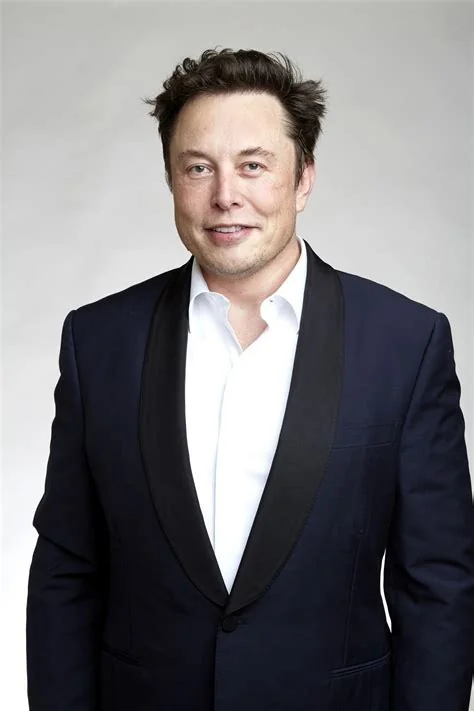
Elon Musk’s net worth jumped to about $852 billion after SpaceX absorbed his AI startup xAI, pushing him past the $800 billion milestone. The merger instantly re‑valued his combined holdings, making Musk the richest person on the planet by a wide margin. This surge reflects the growing value of AI‑driven space assets.
What Drove the $852 Billion Jump?
The surge stems from a single strategic move: SpaceX’s acquisition of xAI. By folding the AI venture into its aerospace empire, investors instantly reassessed Musk’s portfolio, adding billions to his personal wealth. The market reacted to the promise of tighter integration between rocket technology and advanced machine learning, treating the deal as a catalyst for future growth.
SpaceX’s Strategic Acquisition
SpaceX saw xAI as a way to embed intelligence directly into its launch systems, satellite networks, and navigation software. The deal gave the company a proprietary AI engine that can process terabytes of telemetry in real time, potentially shaving minutes off launch prep and improving safety margins.
xAI’s Value Proposition
xAI brings cutting‑edge large‑model capabilities that can power everything from autonomous spacecraft decision‑making to predictive maintenance. Its algorithms already power several high‑profile applications, and now they’ll run on SpaceX’s global constellation of low‑earth‑orbit satellites, unlocking unprecedented compute bandwidth.
Why the Net Worth Surge Matters
Beyond the headline number, the merger signals a broader shift: AI is no longer a side project for tech giants—it’s becoming a core asset for industries that once relied solely on hardware. When a founder’s wealth rockets, it often draws more venture capital into the same ecosystem, accelerating innovation across both sectors.
AI Becomes Core to Space Enterprises
SpaceX’s move shows that data‑driven intelligence is now essential for autonomous navigation, launch‑logistics optimization, and even on‑orbit servicing. By owning the AI stack, the company can fine‑tune performance without relying on third‑party providers, giving it a competitive edge.
Capital Flows and Market Signals
Investors interpret Musk’s wealth spike as validation of the AI‑space convergence, prompting fresh funding rounds for related startups. You’ll likely see more capital chasing projects that blend satellite data with machine‑learning models, from Earth‑observation analytics to next‑generation propulsion research.
Industry Insights on AI and Space Fusion
Engineers and researchers who have worked on xAI’s models say the acquisition opens doors to compute resources that were previously out of reach. The synergy between SpaceX’s satellite network and xAI’s algorithms could dramatically lower latency for AI inference, a game‑changer for real‑time decision making in orbit.
Engineers See New Compute Power
With direct access to a fleet of satellites, AI workloads can be distributed globally, reducing the need for massive ground‑based data centers. This architecture promises faster model training cycles and more responsive services for customers on Earth and beyond.
Potential for AI‑Enhanced Flight Control
Integrating AI into flight‑control software could improve launch reliability by predicting anomalies before they occur. Aerospace teams are already testing adaptive control loops that learn from each mission, aiming to cut costs and increase launch cadence.
Future Outlook: Toward a Trillion‑Dollar Valuation
If Musk’s assets continue to appreciate, a trillion‑dollar net worth may be within reach sooner rather than later. The key will be whether the SpaceX‑xAI integration delivers the promised synergies or stalls under operational challenges. For you, the takeaway is clear: the next wave of wealth creation will likely hinge on the seamless blend of rockets and algorithms.
What It Means for Investors and Innovators
Investors should watch for companies that replicate this AI‑space model, while innovators can look to leverage satellite data for AI training pipelines. The $852 billion milestone isn’t just a number—it’s a sign that the frontier of wealth is increasingly tied to cutting‑edge technology.