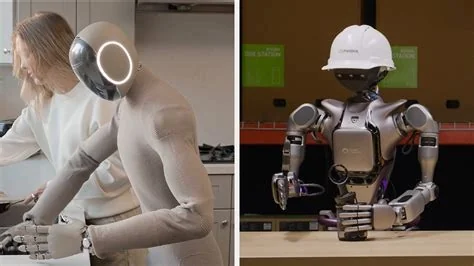
Apptronik just secured $935 million in new financing, a move that puts the company on a fast track to mass‑produce its Apollo humanoid robot. The cash will fund dedicated assembly lines, advanced perception hardware, and safety systems, aiming to launch commercial pilots within the next year and bring a consumer‑grade robot to market soon.
Why the Funding Matters for Humanoid Robotics
The injection of capital transforms Apptronik from a prototype‑focused lab into a production‑ready enterprise. With billions now backing the effort, the company can tackle the high costs of actuators, power management, and compute that have held humanoid robots back for years. This shift signals that bipedal machines are moving toward real‑world utility.
How Apptronik Plans to Deploy the Apollo Series
Apptronik’s roadmap centers on the upgraded Apollo model, designed to run a full shift, lift standard boxes, and perform basic assembly tasks. The robot features modular hardware, letting you swap grippers or add sensors without a factory overhaul.
Production Scaling Strategy
New funds will finance dedicated assembly lines, secure a supply chain for high‑torque actuators, and stock long‑life battery packs. By building these capabilities now, Apptronik aims to meet demand as quickly as possible and keep unit costs on a downward trajectory.
Safety and Human‑Robot Interaction
Safety is a top priority. The company is investing in redundant safety layers and real‑time perception algorithms that let robots operate alongside humans without cages. This focus on intuitive interaction is essential for gaining trust on factory floors and eventually in homes.
Potential Impact on Industry and Consumers
For manufacturers, a reliable humanoid could automate repetitive, physically demanding tasks, easing labor shortages and boosting productivity. For you, the prospect of a home‑grade robot means chores, elder‑care assistance, or personal concierge services could become as commonplace as a smart speaker.
Business Models and Subscription Services
- Robot‑as‑a‑service subscriptions could let businesses pay a monthly fee for fleets that are maintained, upgraded, and replaced as needed.
- Modular upgrades ensure the same hardware can evolve with new capabilities, protecting your investment.
- Scalable production aims to bring the price point within reach of mid‑size enterprises and tech‑savvy households.
Insider Perspective on Engineering Challenges
A senior systems engineer at Apptronik says the biggest hurdle is achieving safe, intuitive human‑robot interaction. The fresh capital enables the team to develop advanced perception stacks and certify the robot under industrial safety standards—critical steps before any commercial rollout.
Bottom Line: What This Means for You
Apptronik’s $935 million financing blitz isn’t just a headline; it’s a concrete step toward turning humanoid robots into everyday workhorses. If the company hits its production targets, you could see a functional, affordable robot on the factory floor—or even in your living room—within the next few years.