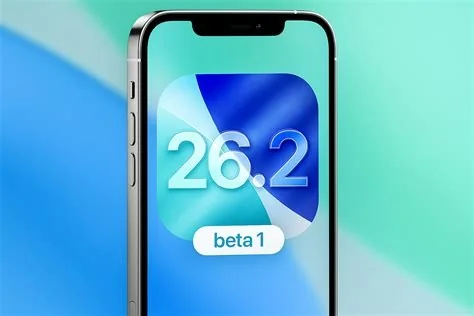
iOS 26.2.1 was released as a quick bug‑fix for AirTag 2 support, but it immediately introduced severe battery drain, random app crashes, and occasional freezes. Because Apple stopped signing iOS 26.2 just days after the rollout, users can’t revert to a stable version, leaving both consumers and IT teams stuck with an unstable build.
What Went Wrong with iOS 26.2.1?
The update was meant to be a minor polish, yet it triggered a cascade of performance problems across a wide range of iPhone models, from the iPhone 14 series up to the iPhone 17 Pro Max. Users report that the device feels hotter, battery percentages drop faster, and core apps quit without warning.
Battery Drain and Unexpected Reboots
After installing the patch, many devices lose an extra 10‑15 % of charge overnight. In some cases the system forces a hard reboot, leaving the Home screen black for a few seconds before the phone recovers. This pattern appears on both newer and older hardware, indicating a software‑wide issue rather than a hardware defect.
App Crashes and Home Screen Freezes
Safari, Messages, and several productivity apps have been observed to close themselves abruptly. The Home screen can freeze for several seconds, forcing users to tap the power button repeatedly. These glitches disrupt everyday tasks and make the device feel unreliable.
Why Apple Closed the Downgrade Window
Apple’s policy is to sign only the latest public release, aiming to keep every device on the most secure software. The signing window for iOS 26.2 closed three days after iOS 26.2.1 launched, effectively removing the safety net that lets users roll back to a known‑good version.
Impact on Users and Enterprises
For casual users, the main annoyance is a shorter battery life and a less stable experience. For enterprises and developers, the stakes are higher: a forced upgrade can break Mobile Device Management (MDM) profiles, stall app testing pipelines, and jeopardize compliance reporting if devices can’t stay reliably online.
Device Longevity Concerns
Accelerated battery drain speeds up lithium‑ion wear, potentially shortening the overall lifespan of the iPhone. If the device overheats frequently, you might also notice reduced performance over time.
IT Management and Compliance Risks
Without a downgrade path, IT admins lose a critical fallback when a new build proves unstable. This forces them to treat iOS 26.2.1 as the baseline, even if it introduces regressions that affect corporate apps or security audits.
Workarounds Until a Fix Arrives
- Disable background app refresh for non‑essential apps.
- Lower screen brightness to reduce thermal stress.
- Restore the device via iTunes using the latest signed firmware.
What to Expect Next
Apple has hinted that a follow‑up patch—likely iOS 26.2.2—will land within the next couple of weeks, targeting the battery‑drain and crash issues. Until that update arrives, you’ll need to rely on the workarounds above or wait for Apple’s next official release. The upcoming patch will be the true test of whether Apple can restore confidence without sacrificing the tight control that defines its ecosystem.