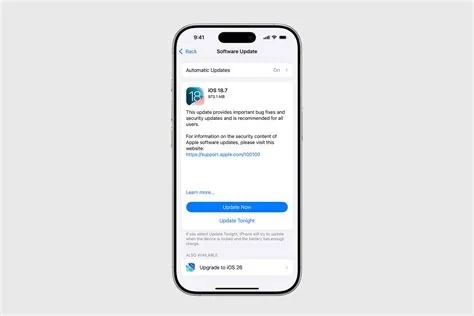
Apple halted the iOS 26 rollout after a network‑connectivity flaw caused certain iPhone models to lose emergency‑call capability. The issue, first seen in Australia, affected iPhone 8, 8 Plus, and X devices, prompting Apple to pause distribution and focus on a targeted fix. Users should stay on their current iOS version until Apple releases a comprehensive solution.
Reason for the Rollout Pause
Apple identified a network‑connectivity problem that broke the cellular link required for emergency calls on affected iPhone models. The bug prevented devices from placing 911 calls, a critical safety function, leading the company to halt the broader iOS 26 distribution as a precaution.
AI Features Affected by the Delay
iOS 26 introduced several AI‑driven enhancements that were put on hold:
- Voicemail summaries that transcribe and condense messages.
- Advanced call‑screening powered by machine‑learning classifiers.
- Live translation of incoming calls.
- Apple Intelligence integration across compatible iPhones for on‑device processing.
These features were designed to compete with rival AI offerings while keeping data processing local for privacy and speed.
iOS 26.2.1 Patch: What It Fixes
Alongside the rollout pause, Apple released iOS 26.2.1, a minor update that adds support for the second‑generation Apple AirTag, improves background task handling, and includes a series of under‑the‑hood bug fixes. The patch does not resolve the emergency‑call connectivity issue but restores confidence in the iOS 26 platform for users who have already upgraded.
Urgent Updates for Legacy Devices
Apple also issued an urgent iOS 12.5.8 update for older iPhone models still running iOS 12.5.8. This update addresses a separate emergency‑call problem caused by a certificate expiration, ensuring that legacy devices maintain reliable access to emergency services.
Impact on Users and the Market
For consumers, the immediate impact is twofold: affected iPhone models must remain on their current iOS version until a fix is released, while users who have installed iOS 26 can benefit from the 26.2.1 patch but should monitor for any lingering connectivity issues. From a market perspective, the incident highlights the challenges of deploying large‑scale software updates that combine sophisticated AI features with essential telephony reliability.
Next Steps and Recommendations
Apple has not announced a timeline for resuming the iOS 26 rollout. Users are advised to:
- Install iOS 26.2.1 if they have already upgraded to iOS 26.
- Apply the urgent iOS 12.5.8 update on legacy devices to maintain emergency‑call functionality.
- Stay informed about future updates that address the network‑bug issue.
These actions help ensure both continued safety and access to upcoming AI‑driven features as Apple refines the iOS 26 experience.