
Researchers warn that advanced AI could erase a sizable slice of white‑collar work, sparking fresh calls for an AI windfall tax. The study finds AI can autonomously code, draft legal contracts, and run financial analyses, threatening up to five percent of white‑collar jobs. You’ll see firms scrambling to protect profits, while you may soon face new reskilling requirements.
Why AI Is Poised to Disrupt White‑Collar Employment
Earlier AI tools mainly boosted productivity; today’s systems can perform entire tasks without human oversight. This shift means firms can shave labor costs by letting AI handle routine analysis, code generation, and contract drafting. As a result, demand for traditional white‑collar roles compresses faster than most market forecasts anticipated.
Key Areas of Automation Impact
- Software development: AI writes, tests, and debugs code at scale.
- Legal services: AI drafts contracts and conducts basic legal research.
- Financial analysis: AI produces reports, risk assessments, and portfolio recommendations.
The AI Windfall Tax Proposal Explained
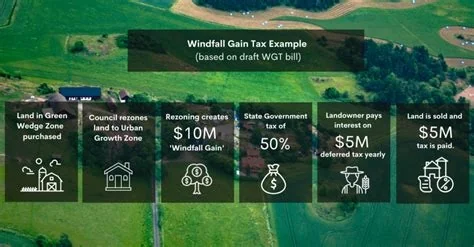
Proponents suggest a levy on the incremental profits that stem directly from AI‑driven productivity gains. The tax would act as a fiscal buffer, channeling excess returns into programs that help displaced workers acquire new skills. It mirrors historic windfall taxes that captured sudden booms in natural resources.
How the Tax Would Work
Instead of a flat corporate tax, the windfall levy would target the portion of earnings that exceeds a baseline profitability threshold. Companies would report AI‑related profit spikes, and the tax rate would rise only when those spikes cross the predefined benchmark. This design aims to keep ordinary business activities untouched while capturing the extraordinary AI surplus.
Policy Debate: Balancing Revenue and Innovation
Policymakers face a tightrope. On one side, the tax could fund reskilling initiatives and narrow the inequality gap that AI profits might widen. On the other, an overly aggressive levy could choke innovation and deter firms from adopting AI that could boost overall economic growth. The challenge lies in crafting a flexible framework that scales with AI adoption.
Challenges to Defining “Windfall” Gains
Unlike tangible resources, AI’s productivity boost is embedded in intangible software and data assets. Measuring the exact profit uplift requires granular corporate reporting and possibly real‑time AI usage metrics. Critics argue that without clear definitions, the tax could become a compliance nightmare, while supporters contend that precision is essential to avoid under‑ or over‑taxing.
What Professionals Should Do Now
If AI can handle routine analytical work, you’ll need to pivot toward roles that demand creativity, strategic judgment, and interpersonal nuance. Building expertise in areas where machines still lag—such as complex problem solving, client relationship management, and ethical oversight—will make you less vulnerable to automation.
Actionable Steps for Workers
- Identify high‑impact skills: focus on creativity, critical thinking, and emotional intelligence.
- Invest in continuous learning: pursue certifications in AI‑adjacent fields like data ethics or AI governance.
- Leverage AI as a tool: incorporate AI assistants into your workflow to boost productivity rather than replace you.
Whether the AI windfall tax gains legislative traction will depend on how convincingly policymakers link AI‑driven profit spikes to the looming risk of a white‑collar job cliff. One thing’s clear: the conversation has moved from speculative tech talk to concrete fiscal policy, and you’ll feel the ripple effects whether you work in tech, finance, law, or consulting.


