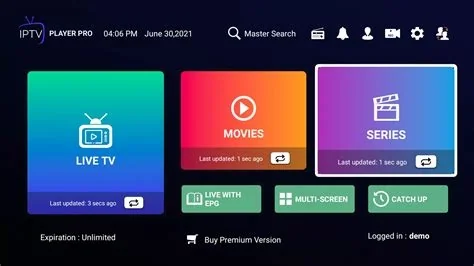
In 2026 the IPTV market has matured into a reliable, feature‑rich alternative to traditional cable. Leading providers now deliver stable streams across Smart TVs, streaming sticks, mobile devices, and desktops, while offering adaptive bitrate streaming, 8K HDR content, integrated VPN protection, and transparent subscription tiers. This guide outlines the key benchmarks, cross‑device capabilities, and what users can expect from top IPTV services.
Benchmarking Reliability and Variety
Reliability is the cornerstone of modern IPTV. Top services ensure uninterrupted live TV and on‑demand libraries by using multi‑regional CDN nodes, robust server architectures, and clear subscription models. This eliminates common issues such as dropped connections, missing channels, and sudden account bans, providing a seamless viewing experience for all device types.
Cross‑Device Service Catalog
Today’s IPTV platforms are designed for every major device ecosystem. The following highlights illustrate how providers optimize performance for each platform.
- Streaming Sticks (e.g., Fire TV): Dedicated apps integrate with voice assistants, offering quick channel navigation and Alexa shortcuts.
- Android & iOS Mobile Devices: Native applications support offline downloads, enabling uninterrupted viewing during travel or in low‑connectivity areas.
- Desktop & Mac: Compatibility with Plex and Kodi plugins lets users embed IPTV streams within existing media libraries for a unified entertainment hub.
Evolution of IPTV Subscription Models
Subscription structures have shifted from simple pay‑per‑channel or unlimited‑bandwidth plans to tiered packages that balance cost, channel selection, VOD libraries, and premium add‑ons such as 4K/8K HDR streams. Many providers now bundle VPN services to protect user privacy, bypass ISP throttling, and reduce legal exposure.
Why IPTV Impacts the Streaming Ecosystem
By delivering live TV, movies, and series over the public internet, IPTV challenges the dominance of cable and satellite providers. As Smart TVs and streaming sticks become ubiquitous, the barrier to entry for IPTV drops, prompting legacy broadcasters to launch over‑the‑top (OTT) apps that mimic IPTV’s on‑demand flexibility while retaining control over ads and subscriber data.
Technical Advances in 2026
Two major technical breakthroughs define the current IPTV experience:
- Adaptive Bitrate Streaming (ABR): Dynamically adjusts video quality based on real‑time bandwidth, delivering smooth 1080p streams on 5 Mbps connections and unlocking 8K content for fiber users without manual configuration.
- AI‑Powered Customer Support: Automated chatbots resolve user issues in minutes, dramatically improving retention in a competitive market.
Consumer and Market Implications
For consumers, the convergence of reliable providers, device‑specific apps, and transparent pricing creates a low‑risk alternative to traditional cable bundles. Premium 8K streams are moving from niche to mainstream, provided users have compatible hardware. For the market, verified services and community‑driven vetting reduce the prevalence of rogue operators, while VPN integration and ABR technology prepare providers for future bandwidth and regulatory challenges.
Future Outlook
Looking ahead, the IPTV sector is expected to consolidate further, with leading providers expanding into original content production to differentiate from pure aggregation services. Consumer expectations will continue to rise, demanding broader channel lineups, seamless cross‑device experiences, robust parental controls, and transparent data practices. The shift from unverified platforms to vetted, feature‑rich IPTV marks a decisive move toward mainstream adoption.