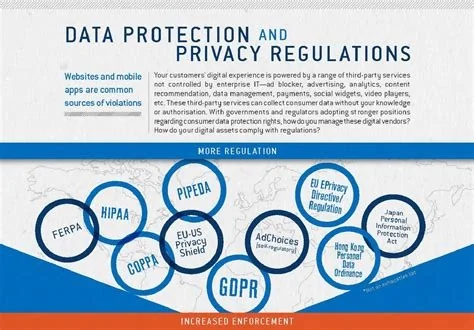
India’s Draft Digital Personal Data Protection Rules lay out a clear framework that forces every data fiduciary to secure explicit consent, limit cross‑border flows, and embed privacy‑by‑design from day one. The draft, open for public comment for 30 days, targets critical personal data and threatens fines up to 4 % of global turnover.
Overview of the Draft Rules
The Ministry of Electronics and Information Technology released the draft titled “Draft Digital Personal Data Protection Rules, 2025.” It marks the most concrete step toward a nationwide privacy regime since the 2019 bill stalled. While the draft is still open for feedback, its core provisions are already shaping boardroom discussions worldwide.
Core Requirements for Data Fiduciaries
- Explicit Consent: Every organization must obtain clear, informed consent before processing personal data.
- Data Localisation: Only “critical personal data” – such as health records, biometric identifiers, and financial information – may be transferred abroad.
- Data Protection Officer (DPO): A DPO with statutory authority must be appointed to oversee compliance.
- Privacy‑by‑Design: Firms must embed privacy safeguards into product development cycles, not add them after launch.
Unique Indian Elements
- Tiered Cross‑Border Flow: A graduated approach lets non‑critical data move more freely while tightening controls on sensitive categories.
- Reasonable Purpose Test: Companies must justify data processing against sector‑specific norms, offering a clearer yardstick than the vague “legitimate interest” language used elsewhere.
- Data Protection Board: An empowered board can levy penalties up to 4 % of a company’s global turnover for non‑compliance.
Impact on Businesses
Compliance Timeline and Comment Period
You have a narrow window to influence the final text. The 30‑day public comment period is the only chance for firms to suggest changes before the rules become binding, likely by early 2025.
Sector‑Specific Scrutiny
Industries handling health, biometric, or financial data face immediate pressure. The draft’s focus on “critical personal data” means healthcare providers, fintech firms, and insurers must reassess their data‑handling practices right away.
Privacy‑by‑Design Mandate
Embedding encryption, anonymisation, and consent‑management modules early in development may slow time‑to‑market, but it also reduces long‑term risk. Companies that ignore this shift will find themselves scrambling when the rules lock in.
Data Localisation and Global Supply Chains
Multinationals already compliant with GDPR may still need to build separate data‑centres in India to meet localisation demands. This could spark a new “privacy‑by‑region” architecture, where data is siloed by jurisdiction to satisfy each regulator’s mandates.
Practical Insights from Industry Leaders
Anita Rao, senior DPO at a Bangalore‑based fintech, says the “reasonable purpose” clause gives a clearer yardstick than the vague “legitimate interest” language in other regimes. “But the lack of sector‑specific guidance means we’ll spend months interpreting the rule before we can certify compliance,” she adds. Rao also warns that her team is already stretched thin on existing obligations, and “we need to hire or train at least two more privacy engineers within the next quarter.”
Rajesh Patel, head of security at a multinational health‑tech firm, notes that the localisation demand could force the company to spin up a new data centre in Hyderabad. “The capital outlay is non‑trivial,” Patel explains, “but the alternative—potentially 4 % of global revenue in fines—is far worse.”
Strategic Steps for Companies
- Engage Early: Submit thoughtful comments during the public feedback window to shape the final rules.
- Invest in Talent: Expand your privacy team with engineers and compliance specialists who understand both the draft and existing frameworks.
- Redesign Architectures: Adopt a modular data‑storage strategy that can isolate Indian data from global pools.
- Embed Privacy‑by‑Design: Integrate consent mechanisms, encryption, and anonymisation into product roadmaps from the start.
- Monitor Enforcement: Stay alert to guidance from the upcoming Data Protection Board to avoid surprise penalties.
By treating India’s draft as a strategic priority—rather than a checklist—you can turn compliance into a competitive advantage. The rules may still evolve, but the ripple effect is already reshaping how companies think about data privacy worldwide.