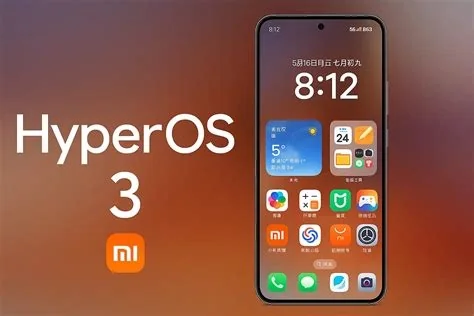
Xiaomi Broadens HyperOS 3.1 Beta, Testing Android 16 on 12 New Devices
What’s happening?
Xiaomi has rolled out the second wave of its HyperOS 3.1 beta to a dozen additional smartphones and tablets. The update, identified as version 3.0.300 (with device‑specific suffixes), is the first large‑scale test of an Android 16‑based skin on both current flagships and recent premium hardware.
Devices that get the beta
The rollout covers three product families:
- Flagship smartphones: Xiaomi 14 Ultra, the entire Xiaomi 15 series (15, 15 Pro, 15 Ultra).
- Upper‑midrange and foldables: Redmi K80 Pro, MIX Flip 2.
- Tablet: Xiaomi Pad 7 Ultra.
All twelve models receive the same core build—3.0.300—while the suffix (e.g., 3.0.300.6.BETA for the MIX Flip 2) distinguishes the exact firmware variant.
Why the expansion matters
The first beta batch was limited to the Xiaomi 17 and Redmi K90 series, giving Xiaomi a glimpse of how Android 16 would behave on brand‑new silicon. By moving to older yet premium devices, the company can stress‑test the OS across a wider range of SoCs, displays and camera modules. Snapdragon 8+ Gen 2 and MediaTek Dimensity 9200‑plus chips, found in the K80 and 14 series, are now part of the test matrix.
What the beta actually changes
HyperOS 3.1 isn’t a visual overhaul; it’s a polish pass that layers Android 16 core improvements under Xiaomi’s skin. Early adopters have reported:
- Smoother animations and tighter gesture handling.
- Improved background‑activity management and new permission controls that tighten privacy.
- Optimised power‑management that steadies battery drain on heavy‑use scenarios.
- Early support for the “Super‑Resolution 4.0” camera pipeline introduced on the Xiaomi 15 Ultra.
The UI gets subtle tweaks—refreshed quick‑settings layout, updated iconography, and a few visual language tweaks—but the overall look stays recognisable as HyperOS.
Rollout mechanics
The beta is delivered via the standard OTA channel in mainland China. Users can opt‑in through the “System Update” menu and are encouraged to back up their data before flashing. Feedback is collected through Xiaomi’s built‑in tool, giving the company a real‑world bug‑report stream from a diverse user base.
Implications for Android 16 and the broader ecosystem
By unifying the codebase under a single 3.0.300 build, Xiaomi signals a push toward a more streamlined update path. A consolidated Android 16 adaptation means future OTA releases can be pushed faster, with fewer device‑specific quirks.
From a competitive standpoint, the aggressive beta schedule could give Xiaomi a timing edge over rivals still polishing their Android 16 skins. The broader test also helps validate Android 16’s stability on high‑end hardware, which benefits the whole Android community.
Practitioners Perspective
Software engineers appreciate the uniform build number. “When the same major version runs across Snapdragon and Dimensity platforms, we can focus on feature parity instead of chasing chipset‑specific bugs,” says Li Wei, a senior firmware engineer at a third‑party ROM developer.
UX designers note the incremental nature of the changes. “Users aren’t overwhelmed by a brand‑new UI, but they do feel the smoother gestures and clearer privacy prompts,” observes Mei Chen, a product designer who’s been testing the beta on the Pad 7 Ultra.
Enterprise IT managers see the beta as a chance to evaluate Android 16’s new permission model. “The tighter background‑activity controls could simplify our mobile device management policies,” comments Zhang Hao, who oversees a fleet of 500 Xiaomi devices for a logistics firm.
Looking ahead
If the second‑phase beta proceeds without major setbacks, Xiaomi plans to push a stable HyperOS 3.1 rollout to the global market later this year. The company has hinted that the final release will carry the same Android 16 foundation, promising a more cohesive experience for users worldwide.
For now, the beta remains China‑only, but the data gathered will shape the next generation of Xiaomi’s software. As the rollout widens, we’ll likely see more detailed performance metrics, especially around battery life and camera processing on the newer 15 Ultra hardware.