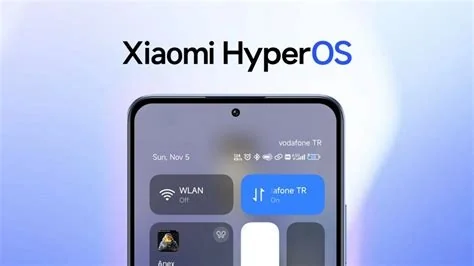
Xiaomi’s HyperOS 3.0 is now rolling out worldwide, delivering AI‑driven system suggestions, faster app launches, and smarter power management. A parallel HyperOS 3.1 beta, built on Android 16, introduces a native password manager, AI‑enhanced gallery, and tighter privacy controls. Together they mark a shift toward a more intelligent, secure, and performance‑focused Xiaomi ecosystem in 2026.
HyperOS 3.0 Global Rollout Overview
Xiaomi’s rollout schedule lists flagship devices such as the Mi 13 series, Redmi K70 series, and POCO F5 series as already ready for download, with mid‑range models like the Redmi Note 13 and POCO X5 slated for release in the coming weeks. High‑end handsets are expected to receive the update by early February 2026, while broader portfolio coverage should be complete by March.
Key AI‑Enhanced Features
HyperOS 3.0 embeds AI directly into the system UI, offering context‑aware suggestions that adapt to user habits. The AI layer also powers smarter notifications, predictive text, and dynamic shortcuts, reducing the need for third‑party assistants.
Performance and Battery Improvements
The update refines core performance, delivering quicker app start‑up times and smoother navigation. A new power‑saving engine learns usage patterns to throttle background processes, extending battery life without manual intervention.
HyperOS 3.0 Beta Expansion
In the second beta phase, Xiaomi opened enrollment to eight additional handset series, including the Mi 12 Pro, Redmi K60 Pro, and POCO F4 GT. This broader testing pool allows the company to gather performance data and user feedback across a wider hardware range before finalizing the public release.
HyperOS 3.1 Beta: Android 16 Foundations
HyperOS 3.1 represents a deeper transformation, built on the Android 16 core. Launched as a beta in China on 22 January 2026, it introduces a re‑engineered password manager synced with Xiaomi Cloud, an AI‑driven Gallery app with on‑device editing tools, and a suite of native intelligence features that operate without external assistants.
Native AI Services
The new AI services provide context‑aware recommendations directly from the OS, such as automatic photo categorization, intelligent file organization, and proactive system optimizations that learn from daily usage.
Security and Privacy Upgrades
Android 16 brings an updated permission model, hardened sandboxing, and a refreshed privacy dashboard. HyperOS 3.1 leverages these enhancements to deliver tighter app isolation, clearer permission prompts, and granular control over data access, aligning the platform with the latest industry privacy standards.
Strategic Shift: From Unification to Refinement
Initially, HyperOS aimed to unify MIUI, Redmi UI, and POCO UI under a single codebase. With HyperOS 3.1, Xiaomi is moving toward refinement, embedding native AI capabilities directly into the OS rather than layering them on top. This mirrors a broader industry trend toward lightweight, performance‑first skins that still differentiate through intelligent services.
User and Market Impact
For users, the updates promise a more cohesive experience across Xiaomi’s device lineup, with AI‑enhanced UI, a secure password manager, and improved battery life. Market‑wise, HyperOS 3.1 narrows the gap with competitors such as Samsung One UI 6 and Google Pixel UI, positioning Xiaomi as a strong contender for power users who value customization, performance, and privacy.
Future Outlook for HyperOS
The dual‑track strategy—global HyperOS 3.0 updates paired with a China‑first HyperOS 3.1 beta—sets a clear roadmap for 2026. As telemetry from HyperOS 3.0 informs final polishing, a worldwide stable release of HyperOS 3.1 could arrive by mid‑2026, delivering the full benefits of Android 16 to the entire Xiaomi ecosystem.