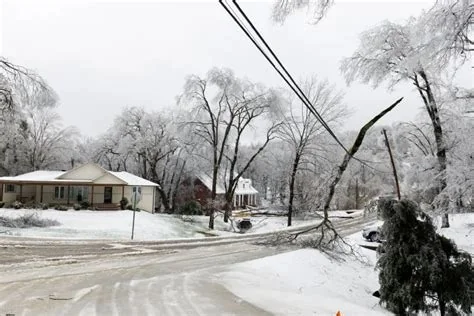
Xfinity’s network is currently down for thousands of customers after a severe storm hit on January 25, leaving internet, TV, and phone services offline. The outage, flagged as “under investigation,” has persisted for over a week with no concrete restoration time, prompting users to seek direct, immediate updates via Xfinity’s official status channels.
Outage Timeline and Current Status
The disruption began at 6:05 a.m. local time on January 25. Since then, Xfinity’s public status page has displayed a static “under investigation” label with an estimated restoration time of “as soon as possible.” No new information or timeline updates have been posted, leaving customers without a clear expectation for service restoration.
Reasons Behind the Delayed Updates
Xfinity’s standard outage communication process includes an initial acknowledgment, severity classification, and periodic status reports as technicians work on repairs. In this case, the prolonged “under investigation” status suggests that the root cause remains difficult to pinpoint or that repair crews are constrained by the extent of the damage. Severe weather can break fiber optic cables, coaxial lines, and damage distribution nodes, requiring extensive field work to locate and fix faults.
Impact on Residential Users and Businesses
- Loss of streaming and entertainment services – households cannot access video‑on‑demand platforms or live TV.
- Disruption of remote work and online education – video calls, cloud‑based tools, and virtual classrooms are unavailable.
- Business operational challenges – point‑of‑sale systems, cloud backups, and client communications rely on broadband connectivity.
- Increased churn risk – prolonged downtime may push customers toward alternative providers.
- Need for temporary solutions – many users resort to mobile hotspots or competitor broadband services.
Industry Context: Xfinity’s Network Vulnerabilities
Xfinity, a Comcast brand, operates a hybrid fiber‑coaxial (HFC) network that combines fiber backbones with aerial coaxial lines for the last mile. While HFC offers broad coverage, its aerial components are more susceptible to wind, rain, and flooding than fully buried fiber‑to‑the‑home (FTTH) deployments. Weather‑related incidents therefore pose a significant risk to service continuity, especially in regions where the majority of the distribution network remains above ground.
What Customers Can Do Next
Customers should regularly check Xfinity’s official status page for any updates. If service remains down beyond the next 48 hours, Xfinity recommends exploring temporary alternatives such as mobile data plans, satellite internet, or a backup broadband provider. For urgent issues, contacting Xfinity support directly and documenting the outage can help expedite assistance once repair crews are on site.