
New research from the World Economic Forum predicts that artificial intelligence could eliminate up to half of the positions held by workers under 30 within the next decade. The study highlights a rapid shift in skill requirements, a surge in AI‑focused job listings, and the urgent need for upskilling, policy reform, and corporate initiatives to protect early‑career employment.
Key Findings of the WEF AI Workforce Study
Projected Job Losses for Young Workers
The most likely scenario estimates that AI‑enabled automation could cut roughly 50 percent of roles occupied by younger employees, while simultaneously creating new positions that demand advanced digital competencies. Although the report does not forecast a net global employment decline, it stresses a profound reshaping of entry‑level and routine‑task occupations.
Industry Concerns About AI‑Driven Disruption
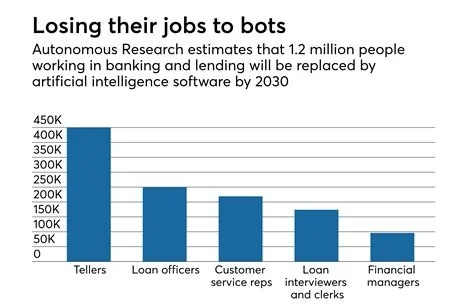
Financial institutions and corporate leaders are voicing growing anxiety that AI adoption could trigger a wave of layoffs comparable to a “tsunami.” Executives note that the pace of automation is accelerating, intensifying pressure on organizations to manage workforce volatility.
Public Sentiment on AI and Unemployment
Surveys indicate that a significant portion of the public believes AI will increase unemployment in high‑income economies, while many remain uncertain about the scale of the impact. Opinions vary, but the consensus points to heightened concern over job security for younger workers.
Early Indicators in the Labor Market
Analysis of millions of job advertisements reveals a sharp rise in listings that require AI‑related skills, alongside a decline in postings for traditional entry‑level roles such as data entry and basic customer service. This trend aligns with the forecasted vulnerability of early‑career positions.
Implications for Policy and Education
To bridge the emerging skills gap, policymakers and educators must act swiftly. The WEF paper outlines three priority actions:
- Upskilling and reskilling programs focused on data literacy, machine‑learning fundamentals, and interdisciplinary problem‑solving.
- Enhanced social safety nets that provide short‑term support, including expanded unemployment benefits and wage‑insurance schemes.
- Public‑private partnerships that align curricula with industry needs, ensuring vocational training and university programs stay relevant.
Corporate Strategies to Protect Young Talent
Several multinational firms are launching internal initiatives to mitigate AI’s impact on junior staff. Programs pair junior employees with senior mentors to accelerate skill acquisition in AI development and ethical governance, aiming to retain talent while embracing automation.
Looking Ahead: Preparing for an AI‑Augmented Workforce
The convergence of data from the WEF study and labor‑market trends paints a clear picture: AI will dramatically alter employment prospects for young workers over the next ten years. The ultimate outcome will depend on the speed of technology adoption, the effectiveness of upskilling efforts, and the commitment of governments and corporations to invest in transition pathways.


