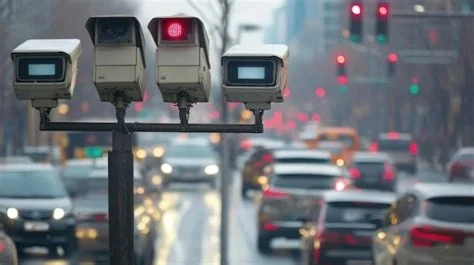
UK Home Secretary Shabana Mahmood unveiled a nationwide plan to deploy live facial‑recognition technology across England and Wales, supported by a fleet of AI‑equipped police vans. The initiative aims to boost real‑time suspect identification, streamline evidence processing, and centralise policing functions while prompting debate over privacy, data protection, and oversight.
Plan Overview: Live Facial‑Recognition and AI Vans
The government will fund a fleet of AI‑driven vans capable of matching live video feeds against law‑enforcement databases in real time. These vans will be rolled out to all regions, providing continuous surveillance support for officers on the ground.
National Centre for AI in Policing
A new centre will develop tools for rapid CCTV analysis, automated transcription, and redaction of sensitive documents, embedding machine‑learning capabilities into everyday police work.
Structural Reforms and New Policing Model
The white paper proposes a “licence to practise” for officers, mirroring medical licensing standards, and restores the Home Secretary’s authority to dismiss chief constables. It also outlines a consolidation of police forces, potentially reducing the current 43 forces to a streamlined network of 10‑12 regional entities.
National Police Service (NPS)
The NPS will merge the National Crime Agency, Counter‑Terrorism Policing, and selected functions of existing policing bodies, creating a unified “British FBI” to tackle cross‑border crime and complex investigations.
Implications for Security, Privacy, and Civil Rights
- Enhanced identification: Real‑time facial‑recognition could accelerate suspect detection in crowded public spaces.
- Data protection concerns: Large‑scale deployment raises questions about storage, sharing, and potential algorithmic bias.
- Governance needs: Robust oversight mechanisms will be essential to balance security benefits with civil liberties.
Professionalising Policing Standards
The licensing scheme aims to raise accountability and training standards, though its effectiveness will depend on enforcement criteria and transparent monitoring.
Future Timeline and Stakeholder Response
The rollout of AI‑equipped vans will commence immediately, with full national coverage targeted as soon as logistical hurdles are cleared. A summer review will refine force‑structure recommendations, while civil‑rights groups, local authorities, and police unions are expected to scrutinise the programme closely.